Urinary stone analysis identifies the crystalline components of the submitted stone material. Since the majority of urinary stones consist of multiple mineral types, mixed stones are also examined with their different components differentiated.

Laboratory Medicine & Toxicology
The Department of Laboratory Medicine and Toxicology was formed by merging the diagnostic laboratories of the Institute of Laboratory Medicine, Clinical Chemistry and Pathobiochemistry at Charité – Universitätsmedizin Berlin, the Institute of Laboratory Diagnostics at Vivantes – Netzwerk für Gesundheit Berlin, and the Institute of Toxicology at the Berliner Betriebs für Zentrale Gesundheitliche Aufgaben (BBGes). It is one of the largest hospital laboratories in Europe.
The department operates the Central Laboratory at the CVK site and 12 additional locations across Berlin, providing 24/7 laboratory diagnostics for Charité, Vivantes, and numerous regional and national hospitals, including specialist medical services.
The department’s testing spectrum covers the entire field of laboratory medicine, including emergency diagnostics and pediatric diagnostics, with the following subspecialties:
- Clinical chemistry and immunochemistry, including tumor markers
- Hematology
- Hemostaseology
- Urinalysis
- Cerebrospinal fluid (CSF) diagnostics, including cytology (in collaboration with the Institute of Neuropathology and the Department of Neurology at Charité)
- Immunohematology (Vivantes sites)
- Toxicology & Therapeutic Drug Monitoring (TDM)
- Protein diagnostics
- Molecular diagnostics
- Infectious serology screening (in collaboration with the Virology and Microbiology departments)
- Endocrinology (in collaboration with the Endocrinology & Metabolism department)
- Urinary stone diagnostics
The department’s service portfolio also includes:
- Information and consultation on the indications for laboratory diagnostic procedures
- Reference ranges and therapeutic ranges for these procedures
- Their clinical and methodological significance
- Interpretation of analysis results, including their differential diagnostic relevance.
The department is equipped with state-of-the-art analytical instruments that ensure high analytical quality. A comprehensive quality management system guarantees the high standard of testing. Since April 2009, the department has been accredited in accordance with DIN EN ISO 15189.
Laboratory tests can be ordered electronically via a screen-based dialogue (order entry) or using machine-readable order forms. Over 90% of all results are transmitted electronically to the clinics.
In collaboration with clinics and diagnostic companies engaged in research, the department contributes to method development, ensures the transfer of new laboratory diagnostic procedures and parameters into clinical care, and participates in clinical studies and research projects focused on diagnostic biomarkers.
Diagnostics
-
Clinical Chemistry and Immunochemistry including tumour markers and infection serology screening (in collaboration with the Virology and Microbiology departments) / Endocrinology (in collaboration with the Endocrinology & Metabolism department)
The diagnostic services offered by the Clinical Chemistry and Immunochemistry department cover approximately 200 analytes. These services cater to both the broad primary care needs of the 11 hospital sites with varying medical profiles and the specialized and intensive care units treating critically ill patients.
Nearly 90% of analytes are determined using state-of-the-art fully automated analysers of the same type. This approach also allows for the integration of parameters from other departments (e.g., Endocrinology, Immunology, Virology) if fully automated sample processing is feasible for these parameters.
Particular emphasis is placed on the development of new parameters (e.g., copeptin, HE4), which represent the latest scientific knowledge and promise significant diagnostic or therapeutic benefits. After thorough evaluation and in close consultation with clinicians, these parameters are promptly incorporated into the diagnostic spectrum.
Emergency samples are analysed around the clock at all sites within the specified processing times using the latest analysers of the same type. The central laboratories at Campus Virchow-Klinikum (CVK) and Klinikum Neukölln (KNK), which also process the majority of routine samples, maintain an extensive range of emergency parameters to support this.
Sample processing in the ten on-site laboratories follows a parameter spectrum tailored to emergency diagnostics and the specific medical requirements of each hospital site.
Emergency requests with pharmaceutical or toxicological backgrounds that fall outside the predefined processing spectrum are forwarded to the Toxicology & Pharmacology department, where they are processed at any time of day.
In the context of point-of-care testing (POCT), blood gas, electrolyte, and substrate analyses conducted in numerous clinics are monitored and managed by the Clinical Chemistry department via a central quality control system.
Research activities within the department focus on the evaluation of laboratory parameters in various clinical studies, as well as independent work such as the verification and application of cardiac markers or the development and modification of methods.
The uniform and efficient structure and organization across all 11 laboratory sites provide a solid foundation for implementing comprehensive quality control management and all measures related to staff training and professional development, ensuring that high quality standards are maintained in the future.
-
Haematology
In the general haematology section of the Laboratory Medicine & Toxicology department, up to 5,000 blood counts are analysed daily, including approximately 600 differential blood counts in routine and emergency diagnostics.
Haematological basic diagnostics are performed at all sites using fully automated analysers with the latest technology. These systems ensure high quality and standardization through flow cytometric methods while maintaining high sample throughput.
Microscopy of blood smears remains an important component, conducted by qualified medical laboratory assistants and physicians. As experts in cell morphology, they process samples requiring manual microscopic evaluation due to technical limitations or specific clinical questions.
Quantitative abnormalities such as anaemias, thrombocytopenias, and leukopenias, as well as qualitative abnormalities like dysplastic and neoplastic changes, are diagnosed promptly. Critical values are communicated by telephone to the treating physicians. Exceptional and challenging findings, which are common in our patient population, can be discussed with experts from the Special Haematology-Oncology department at Labor Berlin or other collaborating institutions.
Our analysis spectrum includes:
- Complete blood count with erythroblasts (NRBC)
- Extended (differential) blood count (automated)
- Manual extended blood count (microscopic differentiation)
- Reticulocytes and reticulocyte haemoglobinisation (automated)
- Haemoglobinopathy diagnostics (including differential diagnosis from chromatography to sequencing)
- Malaria diagnostics
- Fetal haemoglobin in smears (Kleihauer-Betke test; Klinikum Neukölln)
- HbA1c determination using HPLC
Urine Diagnostics
Standardized urine analysis in the Laboratory Medicine & Toxicology department primarily involves analyses of native urine samples. To meet high demands, urine sample processing is based on a fully automated modular solution. In the first step, clinically chemical standard test strip parameters are measured semiquantitatively using reflection photometry, while specific gravity is determined quantitatively via refractometry. Depending on the results of the clinical chemical urine analysis, a laboratory-internal rule-based algorithm decides whether and which urine samples require further particle analysis.
The counting and classification of particles in urine are based on new blue laser technology, which combines fluorescence flow cytometry and hydrodynamic focusing. This method stains cell membranes and intracellular components specifically for each particle type and analyses them using blue laser technology. Individual particle signals or “fingerprints” are translated into a 3D scattergram, where each point represents a specific particle. If pathological casts are detected, the third and final analysis step involves digital imaging of urine particles. Using this digital imaging technology, abnormal results from previous chemical and sediment analyses are automatically verified. Particles are identified by size and can be classified into eight different categories. The individual images provide a detailed view of urine particles and are ultimately reviewed for plausibility by professionally trained medical laboratory assistants.
The fully automated urine analysis workflow described above has been established at the Campus Virchow-Klinikum site for several years, enabling rapid and comprehensive urine analysis without additional sample preparation. All other on-site laboratories in the Laboratory Medicine & Toxicology department are equipped with semi-automated systems for clinical chemical urine analysis. If necessary, and via regulated sample transport, suspicious urine samples from on-site laboratories are promptly forwarded to the central laboratory at Campus Virchow-Klinikum for further particle analysis.
-
Diagnostics
The Coagulation Diagnostics department provides senders from Labor Berlin with coagulation baseline parameters around the clock, including prothrombin time (Quick), aPTT, fibrinogen, antithrombin, and D-dimers.
In addition, specialized coagulation diagnostics are offered, focusing on the evaluation of bleeding tendencies, thrombosis, or abortion tendencies.
A wide range of functional, immunological, and chromogenic methods is employed, with most analyses performed automatically.
Haemostaseological diagnostics for bleeding tendencies include congenital disorders such as von Willebrand syndrome, haemophilia A and B, rare factor deficiencies, and platelet function disorders, as well as acquired disorders (e.g., in sepsis, liver and kidney diseases, or drug-induced bleeding tendencies).
Diagnostics for thrombotic tendencies include testing for APC resistance, protein C and S activity, and lupus anticoagulant.
Another key focus is inhibitor diagnostics in patients with congenital or acquired haemophilia.
There is close collaboration with Molecular Genetic Diagnostics and Autoimmune Diagnostics.
Therapy Monitoring
Within specialized coagulation diagnostics, specific monitoring of anticoagulation therapy with unfractionated and low-molecular-weight heparin, fondaparinux, oral anti-Xa inhibitors, thrombin inhibitors, and platelet function inhibitors is performed.
These analyses are conducted in the central laboratory. Monitoring for substitution therapy in haemophilia patients is available around the clock. Further details on the analysis spectrum can be found in Labor Berlin’s service catalogue.
A central task is to serve as a competent contact for physicians regarding diagnostics, therapy, and result interpretation.
The Haemostaseology department actively participates in clinical studies and research projects, as well as the evaluation of new devices and methods.
In collaboration with experts from other institutions, scientific training events such as the annual “Haemostaseological Laboratory – State of the Art and Trends” symposium are organized.
-
The Toxicology department provides the following services:
Therapeutic Drug Monitoring (TDM)
Therapeutic drug monitoring involves measuring drug concentrations in human samples to assess and monitor drug therapy. This approach optimizes treatment and enhances drug safety.
In addition, the detection of adverse drug reactions, patient compliance issues (suspected non-adherence), or therapeutic failure may necessitate personalized concentration monitoring. Dosage adjustments can then be made based on various calculation models tailored to the individual patient.
Measurements often utilize LC-MS systems. In this process, the purified sample is separated via liquid chromatography, and the target drug is quantified using mass spectrometry. The analytical methods employed are sufficiently sensitive to detect even low concentrations, requiring only small sample volumes. Chromatographic separation also enables the reliable analysis of the target drug in complex samples or the simultaneous determination of multiple drugs in a single sample.
The following drug groups are routinely included in our service portfolio:
- Psychotropic drugs
- Immunosuppressants
- Antiepileptics
- Antifungals and antibiotics
- Cardiovascular drugs
Serum or plasma samples are required for analysis. Quantification of immunosuppressants is performed exclusively from whole blood.
For further details, please visit our service catalogue.
Drug Testing for Suspected Abuse, Abstinence Control, or Substitution Therapy
Qualified drug testing is frequently requested for abstinence control, substitution therapy, or the detection of substance abuse.
In the initial step, immunological test methods are most commonly used. These immunoassays can be performed fully automatically, quickly, and cost-effectively without extensive sample preparation and serve for qualitative detection. If a positive result is obtained, it can be confirmed using a mass spectrometric confirmation procedure. Drug confirmation analyses are more complex in sample preparation, and the processing time until results are reported is longer than for immunoassays. However, this method enables the specific identification of individual substances of abuse, ensuring legally defensible results.
Qualitative immunological detection and, upon request, subsequent mass spectrometric confirmation for drugs and substances of abuse from urine can be requested here.
By analysing multiple urine samples collected at appropriate intervals, a trend assessment is possible. For questions regarding the timing of urine sample collection, our Toxicology team is available to provide guidance.
In addition to basic drug screening, the following analytes can be requested in extended drug screening from urine:
- Ethyl glucuronide
- GHB
- Tilidine, nor-, bisnortilidine
- Tramadol, O-, N-desmethyltramadol
- Synthetic cannabinoids
In cases of neonatal withdrawal symptoms, drug detection in meconium can be performed. A positive result may serve as evidence of exposure during the last trimester of pregnancy. Immunoassays and LC-MS analyses are combined for this purpose.
Intoxication: Performing Toxicological Screening for Suspected Acute Drug or Substance Intoxication
Systematic toxicological analysis (STA) is used to investigate acute poisoning with drugs or substances of abuse. Various established analytical methods are employed, including immunoassay, HPLC-DAD, GC, and LC-MS/MS, to identify and quantify drugs and substances of abuse.
Toxicological screening can be requested 24/7.
EDTA blood, plasma, serum, or urine can be submitted for analysis. In cases of suspected drug intoxication, urine is the preferred sample material.
Specialized screening programmes are available for the following selected substance groups:
- Glycols including methanol
- Oral antidiabetics including metformin
- Superwarfarins (rodenticides)
- Methotrexate, 7-OH-methotrexate following therapy with glucarpidase (Voraxaze®)
Analyses for the Determination of Irreversible Brain Function Loss (IHA)
Prior to organ donation procedures, it is necessary to demonstrate the absence of central nervous system (CNS)-depressive drugs in the patient’s blood as part of the diagnostic workup for irreversible brain function loss (IHA). These analyses are performed in accordance with the guidelines of the Society of Toxicological and Forensic Chemistry (GTFCh).
General Notes
- Detailed information on pre-analytical requirements, detection methods, and therapeutic reference ranges can be found in our service catalogue under the respective analysis parameters.
- Please use the request forms provided for each type of examination and complete them in full. In particular, patient and sender information must not be omitted.
- Please observe the relevant legal provisions regarding the packaging and shipping of human sample material.
The currently available substance spectrum can be found in our service catalogue or by contacting us.
-
Cerebrospinal fluid (CSF) analysis is a central component of neurological diagnostics. In collaboration with other departments at Labor Berlin – Charité Vivantes GmbH and institutes and clinics at Charité (Institute of Neuropathology, Department of Neurology), we offer a comprehensive diagnostic programme for neurological and psychiatric conditions.
In particular, neuroinfectious, neuroimmunological, neurodegenerative, and certain neuro-oncological diseases can be diagnosed using various analytical methods in CSF. Depending on the clinical question and requested analytes, the Laboratory Medicine & Toxicology department primarily employs fully automated quantitative laboratory measurement technologies for CSF analysis.
CSF basic diagnostics are available around the clock, including weekends and holidays, and involve fully automated determination of:
- Total cell count, including automated pre-differentiation of white blood cells into mononuclear and polymorphonuclear cells
- CSF-extraneous cells
- Erythrocytes
- Total protein
- Lactate
- Glucose
Advanced CSF diagnostics are conducted in the Protein Diagnostics section and include the detection of blood-brain barrier dysfunction and intrathecal antibody synthesis (“Reiber diagram”). If necessary, the detection of oligoclonal bands in CSF and serum pairs is also performed.
CSF cytology preparations are professionally prepared around the clock, with evaluations conducted by staff from the Laboratory Medicine & Toxicology department, the Institute of Neuropathology, and the Special Haematology/Oncology department at Charité.
The integrated CSF report is prepared collaboratively by the Laboratory Medicine & Toxicology department of Labor Berlin – Charité Vivantes GmbH, the Institute of Neuropathology, and the Department of Neurology at Charité.
-
The Protein Diagnostics and HPLC department complements blood, urine, and CSF diagnostics, as well as trace element analysis, using specialized protein chemistry methods, high-performance liquid chromatography (HPLC), and atomic absorption spectrometry (AAS). For example, immunoglobulins in CSF are determined and represented in the Reiber diagram to assess barrier dysfunction or intrathecal synthesis as part of the overall CSF evaluation. This is supplemented by the detection or exclusion of oligoclonal bands using isoelectric focusing.
Measuring corresponding marker proteins in urine enables the differentiation of prerenal, renal-glomerular, renal-tubular, and postrenal proteinuria types. Capillary electrophoresis and immunofixation electrophoresis are used to detect monoclonal gammopathies or the excretion of monoclonal free light chains (“Bence Jones proteins”). If necessary, free light chains in serum can also be quantified.
Catecholamines and their metabolites, as well as the serotonin metabolite 5-hydroxyindoleacetic acid (5-HIAA), are measured using HPLC. Additionally, porphyrins in urine and vitamins A, B1, B6, and E in serum or blood are determined using HPLC-based methods. Atomic absorption spectrometry (AAS) is employed for trace element analysis, such as copper, selenium, and zinc.
When requesting analyses from this department, pre-analytical requirements must be observed, including light protection (e.g., for vitamins B1 and B6 or porphyrins), sample cooling (e.g., for vitamin B1), or the addition of stabilizers during sample collection (e.g., hydrochloric acid for catecholamines and metabolites in urine) or the use of special blood collection tubes (e.g., for trace element determinations). Corresponding instructions can be found in the service catalogue.
-
The genetic analyses offered in the laboratory are applicable to both predictive and diagnostic contexts.
The Molecular Risk Diagnostics department focuses on detecting functionally relevant genetic polymorphisms that confirm or exclude suspected diagnoses. Analyses are performed using LightCycler® technology on genomic DNA extracted from EDTA blood.
A key focus is thrombophilia diagnostics, which aims to provide a comprehensive assessment of recurrence risk and appropriate therapy recommendations following thromboembolic events in the venous or arterial system.
In the field of pharmacogenetic diagnostics, high-frequency genotypes influencing the metabolism of various drugs (e.g., platelet aggregation inhibitors, psychotropic drugs) are examined. These genotypes influence the likelihood of a good therapeutic response or drug-related side effects.
A growing and increasingly important area is haemoglobinopathy diagnostics. Labor Berlin offers a comprehensive range of methods, including GAP-PCR, triple-PCR, MLPA (Multiplex Ligation-dependent Probe Amplification), and sequencing for all haemoglobin genes (HBA1, HBA2, HBB). These modern methods are applied stepwise based on clinical indication and expert analysis of baseline diagnostics (HPLC, blood count, iron status). This enables us to detect the wide variety of mutations due to ethnic heterogeneity, such as alpha- and beta-thalassaemias, sickle cell disease, HbC, HbE, and others.
All investigations require consent in accordance with the Genetic Diagnostics Act.
For detailed information on our analysis spectrum, please refer to our service catalogue.
-
One of Labor Berlin’s key responsibilities is the immunohaematological and transfusion medicine services for the Vivantes hospitals.
The immunohaematology analysis spectrum includes all tests required to ensure the compatibility of blood products for patients prior to transfusion.
The spectrum includes the following analyses:
- Blood group determination (AB0 system, Rh factor/Rh formula, Kell, and other antigens as required)
- Antibody screening test
- Antibody differentiation
- Direct Coombs test
- Compatibility testing (crossmatch)
At all Vivantes sites, immunohaematological diagnostics are performed almost exclusively using state-of-the-art fully automated analysers. For urgent requirements and specialized analyses, medical laboratory assistants are also trained in manual methods.
With 24/7 staffing of blood depots in the laboratories, patient supply with blood products is ensured. Each on-site laboratory includes a blood depot for red blood cell concentrates and fresh frozen plasma (FFP). The two largest clinics, Neukölln and Friedrichshain, which have trauma centres and provide maximum care, additionally store platelet concentrates. This ensures the reliable supply of all necessary blood products to the sites.
The Laboratory Medicine & Toxicology department is also responsible for transfusion medicine responsibilities in accordance with the Transfusion Act and the Haemotherapy Directive for the Vivantes hospitals. Around-the-clock consultation on immunohaematological and transfusion medicine issues is provided to clinics.
-
The goal of urinary stone analysis is to identify all crystalline components of a urinary stone. The most widely used and most effective methods for urinary stone analysis are:
- Polarizing microscopy on grain preparations: Evaluation is based on identifying crystallo-optical characteristics such as colour, light refraction, birefringence, and interference colours
- X-ray diffraction: This method measures the diffraction of X-rays by the crystal lattice
- Infrared spectroscopy: Detection is based on absorption in the infrared spectral range
Labor Berlin is the only laboratory in Germany capable of analysing the composition and structure of urinary stones using all three of these methods. Based on stone analysis, patients can be assigned to specific groups, enabling targeted metaphylactic recommendations as part of urinary stone therapy. This helps to minimize the risk of recurrent stone formation as effectively as possible.
Diagnostics in Focus
Urinary Stone Analysis
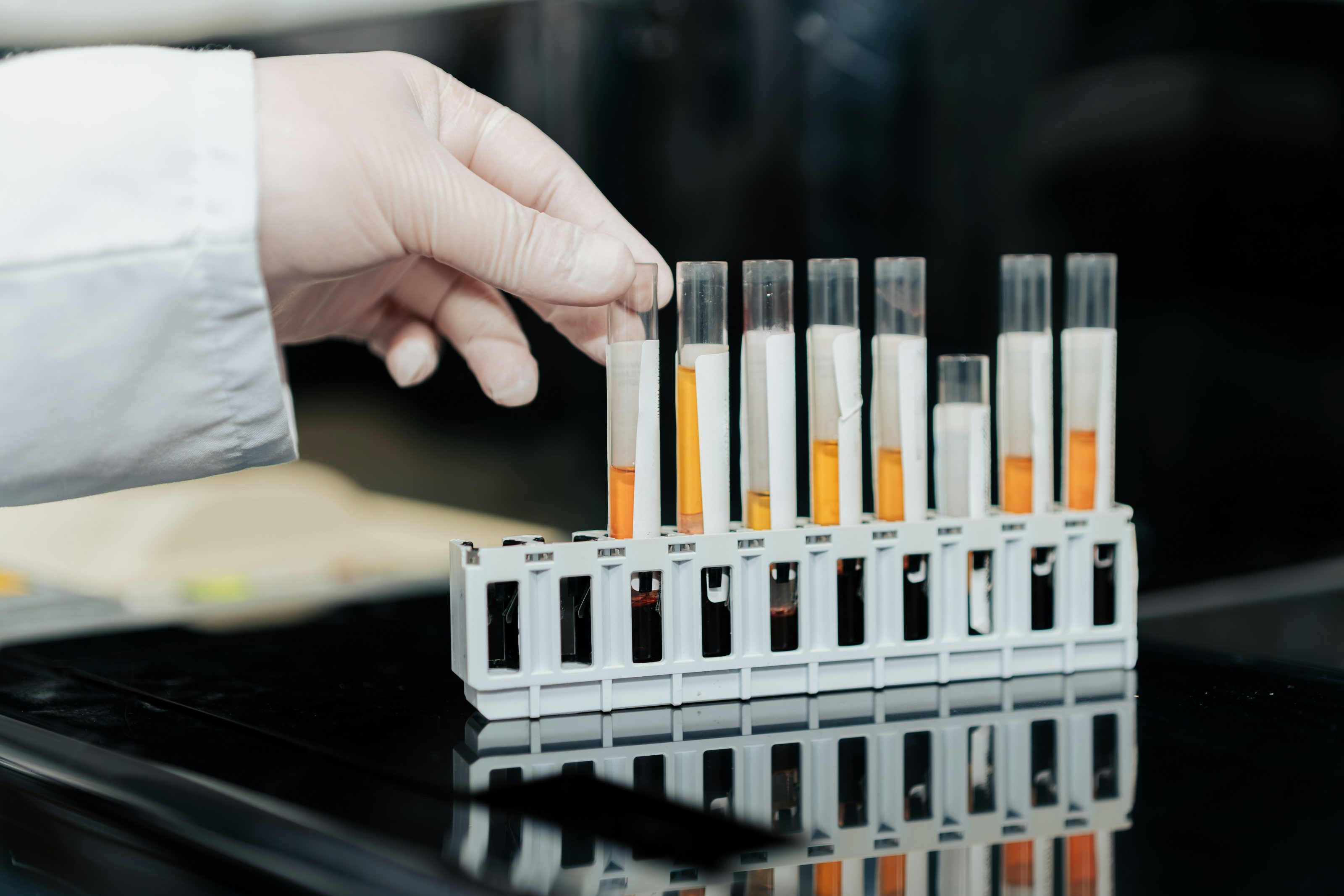
Labor Berlin examines the composition of urinary stones and identifies the crystalline components they contain. The analysis supports the selection of an appropriate therapy, the clarification of possible causes, and targeted prevention of further stone formation.
Scope of Examination
Analytical Methods
For the examination, Labor Berlin combines polarizing microscopy, X-ray diffraction, and infrared spectroscopy. By integrating these methods, various stone components, hydration levels, calcium phosphates, and purine derivatives can be precisely differentiated.
Diagnostic Benefits
The composition and structure of a urinary stone provide important information for the treatment of residual and recurrent stones. The analysis supports the selection of an appropriate therapy method and forms the basis for targeted metabolic examinations to clarify the cause of stone formation.
Reporting and Recurrence Prevention
Based on the analysis, patients can be assigned to different risk groups. These include, in particular, cystine, brushite, uric acid, and struvite stone formers. Labor Berlin provides recommendations for recurrence prevention based on these findings, particularly regarding dietary adjustments and further diagnostic clarification.
Sample Material and Submission
For the examination, removed or passed stone material is required. No special pre-analytical measures are necessary. The material can be sent to Labor Berlin via standard mail.
Diagnostics in Focus
Malaria Diagnostics
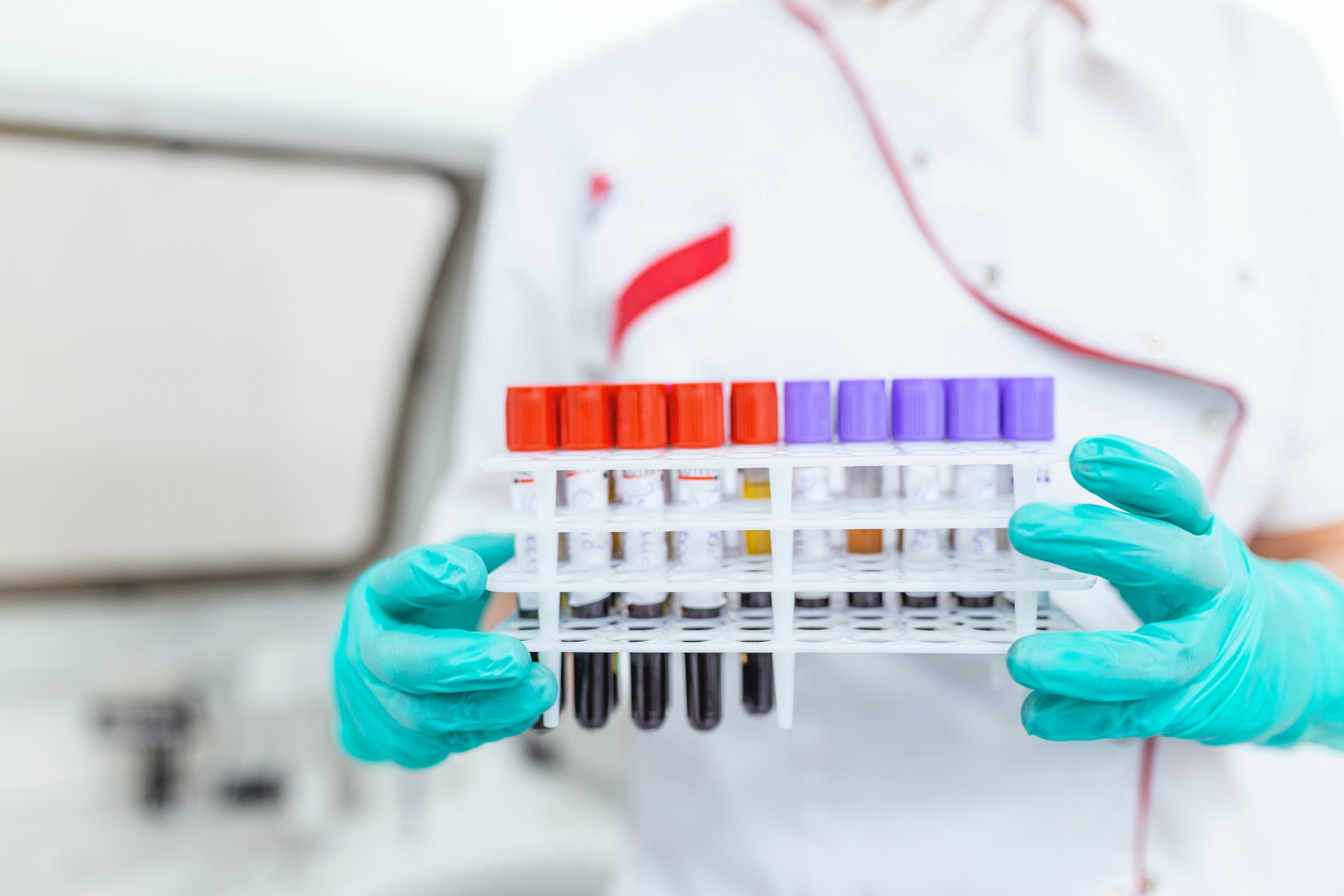
Labor Berlin combines various diagnostic methods for the rapid and reliable detection of malaria infection. The tests enable the identification of Plasmodium species, quantification of parasitemia, and thus provide a solid foundation for further treatment decisions.
Rapid Antigen Test
In cases of clinical suspicion of malaria, a rapid immunochromatographic antigen test is performed first. This test detects Plasmodium-specific antigens and offers high sensitivity and specificity, particularly in infections with Plasmodium falciparum. Since false-negative and false-positive results are possible, the rapid test is combined with additional diagnostic methods.
Fluorescence Flow Cytometry
Labor Berlin employs an automated flow cytometric method to quantify infected erythrocytes. This technique enables the detection of even low parasite densities within a short time and supports a rapid assessment of parasitemia.
Microscopic Diagnostics
Microscopic detection is performed using a thin blood smear and the thick smear technique. The examination allows differentiation of various Plasmodium species and developmental stages. If clinical suspicion persists despite an initially negative result, repeated microscopic examinations may be necessary.
Diagnostics in Focus
Diagnosis of Hemoglobinopathies
Labor Berlin provides comprehensive staged diagnostics for the evaluation of thalassemia, sickle cell disease, and other hemoglobin variants. Depending on the initial findings, laboratory medicine and molecular genetic methods are combined to confirm abnormal results and precisely classify genetic alterations.

Basic Diagnostics
Basic diagnostics includes hemoglobin separation using high-performance liquid chromatography (HPLC), a complete blood count including differential blood count, and iron status assessment. This enables an initial diagnostic classification and determines whether further investigations are necessary.
Molecular Genetic Diagnostics
In cases of abnormal, contradictory, or inconclusive findings, staged molecular genetic diagnostics follow. Labor Berlin examines the hemoglobin genes HBA1, HBA2, and HBB, including their promoter regions. This analysis confirms disease-relevant genetic alterations and supports the classification of the expected clinical phenotype.
Molecular Genetic Analysis Methods
To detect a variety of genetic alterations, Labor Berlin combines multiple methods. Sanger sequencing is used for the analysis of hemoglobin genes, while MLPA identifies larger deletions in the alpha- or beta-globin locus. GAP-PCR is employed to detect common deletions, and triple-PCR is used to identify triplications.
Applications
Advanced molecular genetic diagnostics is particularly indicated in cases of suspected severe thalassemia or sickle cell disease, inconclusive basic diagnostic results, or to confirm hemoglobin variants detected by HPLC. It is also used in family planning and to clarify carrier status.
Sample Material and Procedure
EDTA blood is required for diagnostics. Informed consent in accordance with the Genetic Diagnostics Act is mandatory, even if only an HPLC analysis is initially requested. The various testing methods are performed weekly. Due to the multi-stage diagnostic process, the final report may take up to four weeks.
Diagnostics in Focus
Drug Screening from Saliva
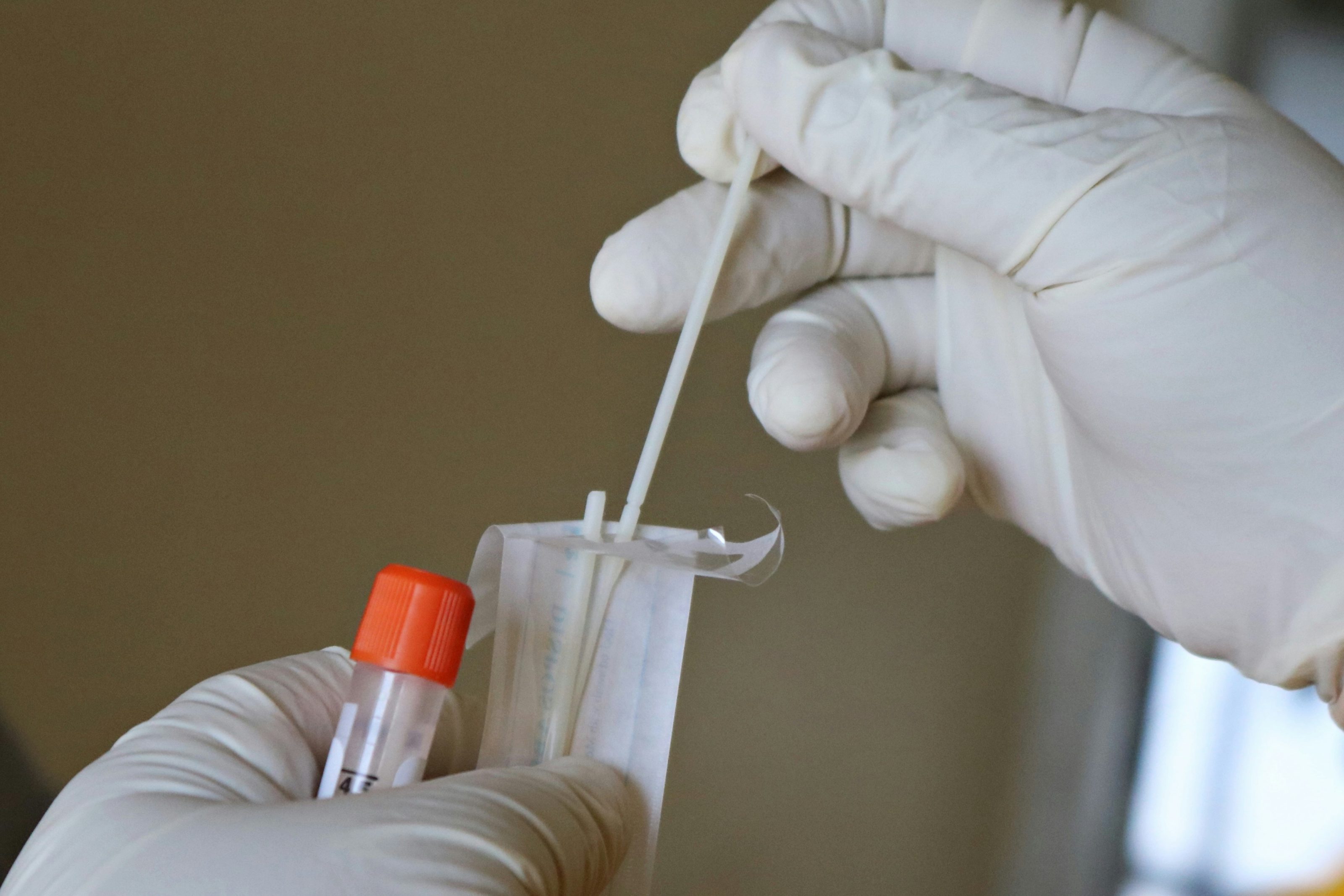
Labor Berlin offers drug screening from saliva to detect current or recent substance exposure. This test is particularly suitable for scenarios where timely and minimally invasive detection of medications, drugs, or their metabolites is required.
Diagnostic Application
Saliva samples primarily reflect current or very recent substance exposure. The test material is therefore particularly well-suited for rapid detection of recent consumption and complements toxicological diagnostics from blood and urine.
Analytical Method
At Labor Berlin, the analysis is performed using highly specific chromatographic-mass spectrometric methods via LC-MS/MS. This method enables precise identification of the substances tested and minimizes the risk of false-positive results.
Sample Material and Collection
Saliva is used as the test material. The sample can be collected using a mouthwash solution or a specialized saliva collection device. Collection is non-invasive, user-friendly, and less prone to manipulation compared to other sample materials.
Detection Window
The possible detection window depends on the specific substance and its pharmacokinetic properties. Typically, substances can be detected in saliva for a few hours up to a maximum of 48 hours. The test is therefore particularly suitable for detecting current or very recent consumption.
Limitations of the Test
The available saliva volume and saliva flow can vary and may be influenced by oral hygiene or certain medications. For exposures that occurred further in the past or for comprehensive forensic or toxicological evaluations, blood or urine tests remain necessary.


Pre-analytical Instructions and Downloads
-
1. Toxicological substance abuse testing including emergency diagnostics and toxicological brain death diagnostics:
Minimum 5 mL blood in serum or plasma sample tube + 5 mL urine in urine tube
2. Therapeutic Drug Monitoring (TDM):
Minimum 2 mL blood in serum or plasma sample tube
For measurement of immunosuppressive substances: 2 mL whole blood (EDTA or heparin)
For measurement of gentamicin in premature and newborn infants: 2 x 50 µL blood per draw in heparinized capillary tubes3. Drug screening:
Minimum 5 mL spontaneous urine in urine sample tube
For newborn screening: 1 g meconium in microbiology sample tube
Analysis of evidence materials is only possible after individual consultation by telephone.General instructions:
- Specific details regarding pre-analytical requirements, detection methods, therapeutic reference ranges and more can be found in the service directory under the respective analysis parameters.
- Please use the request forms provided for each type of examination and complete them as fully as possible.
- Please observe the relevant legal regulations for the packaging and shipping of human sample material.
Downloads
Request Forms and Downloads
Services for private patients, self-paying patients, or physician-selected laboratory services are billed directly by Labor Berlin to the relevant payer, unless otherwise agreed with the requesting physician. To facilitate this, the requesting physician must provide Labor Berlin with the necessary patient data and ensure that patients are informed in the legally required manner about the potential transfer of laboratory orders to Labor Berlin, including the associated organizational measures—such as billing through a private medical billing service—and obtain their consent. The legal provisions regarding free choice of physician are fully respected. Please note that the initiation of external physician-selected laboratory services must be carried out by the requesting physician on a case-by-case basis, in accordance with the provisions of the Hospital Remuneration Act (KHEntgG), and must be explicitly authorized by the respective attending physicians.