This test can be used when active renal involvement or a renal flare is suspected in ANCA-associated vasculitis and systemic lupus erythematosus. Additionally, it is suitable for monitoring disease progression during therapy and for supplementary assessment in cases of unclear or contradictory findings.

Immunology
The Immunology department was established in 2010 from the immunology diagnostic laboratories of the Institute for Medical Immunology and the Department of Pediatrics with a focus on Pneumology and Immunology. It is accredited in accordance with DIN EN ISO 15189.
Labor Berlin provides a comprehensive range of methods with a focus on cellular immunophenotyping and cellular function tests for patients with suspected primary or secondary immunodeficiencies and immune dysregulation syndromes, as well as for critically ill patients.
Since 2004, Dr. Meisel has served as a scientific advisor in the execution of cytokine proficiency testing programs conducted by the Reference Institute for Bioanalytics (RfB).
Diagnostics in Focus
Soluble CD163 in Urine
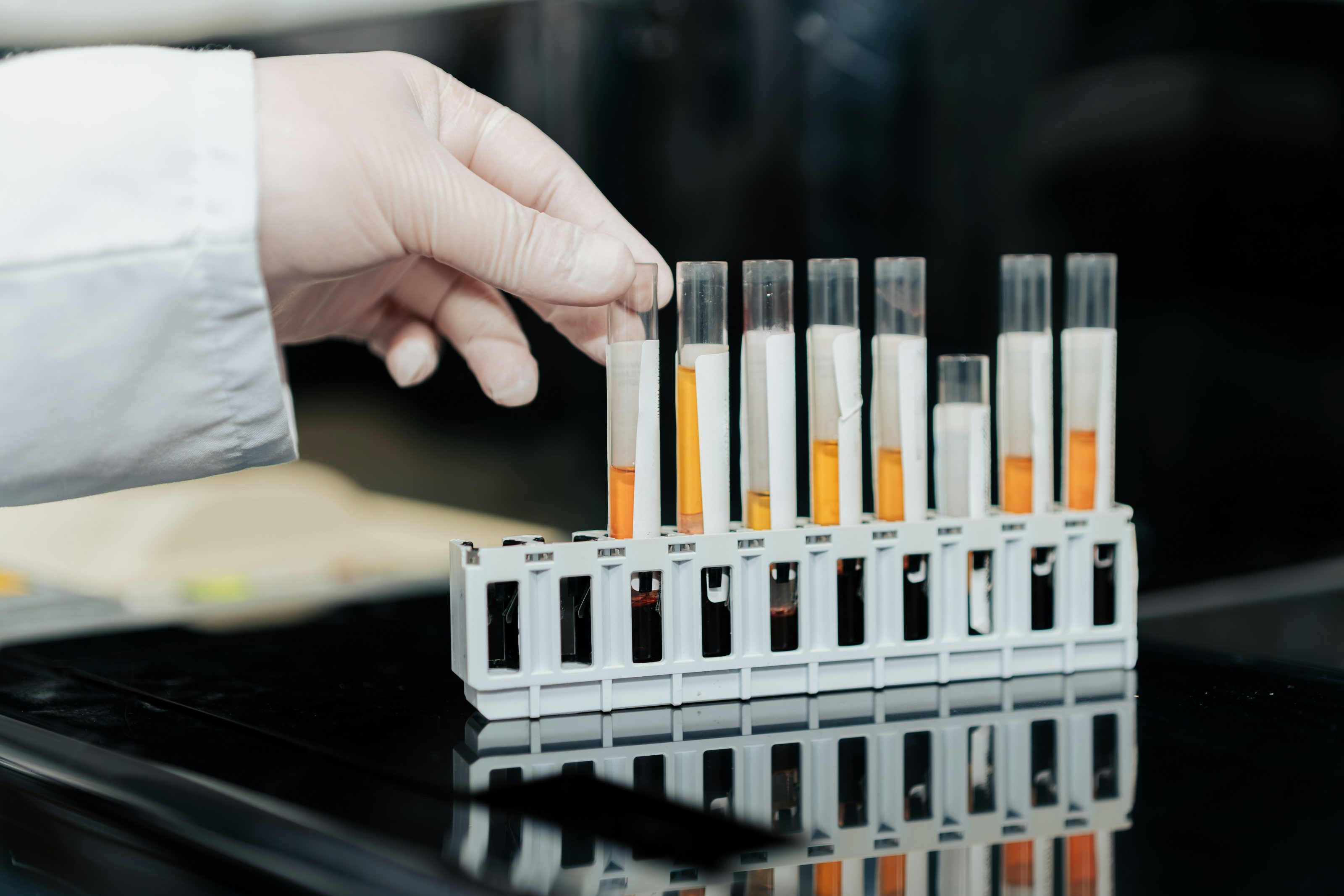
The determination of soluble CD163 in urine serves as a non-invasive marker for assessing inflammatory activity in the kidneys. It is particularly useful in ANCA-associated vasculitis and lupus nephritis and complements established laboratory and diagnostic parameters.
Clinical Relevance and Applications
Diagnostic Value
Sample collection from spontaneous urine is non-invasive and facilitates uncomplicated follow-up monitoring. By additionally determining urinary creatinine, the influence of varying urine dilutions is reduced. The marker can help differentiate active inflammation from persistent proteinuria or chronic kidney damage. However, a kidney biopsy is not currently replaced by this test.
Methodology and Reporting
sCD163 is quantified using a CE-IVD ELISA. The report includes both the urine concentration and the quotient relative to urinary creatinine. The test is performed at least once weekly and is not intended for emergency or acute diagnostics.
Sample Material and Request
Fresh spontaneous urine is required. The test can be requested electronically or in paper format as “sCD163 in urine.” For calculation of the quotient, urinary creatinine must be determined simultaneously. Additionally, the protein-to-creatinine ratio should be requested whenever possible.
Limitations of the Test
Elevated values indicate macrophage activation in the kidneys but are not specific to a particular disease. Significant proteinuria and blood contamination can influence the result. Therefore, findings must always be interpreted in conjunction with the clinical situation and additional laboratory and diagnostic findings.
GFAP in Serum
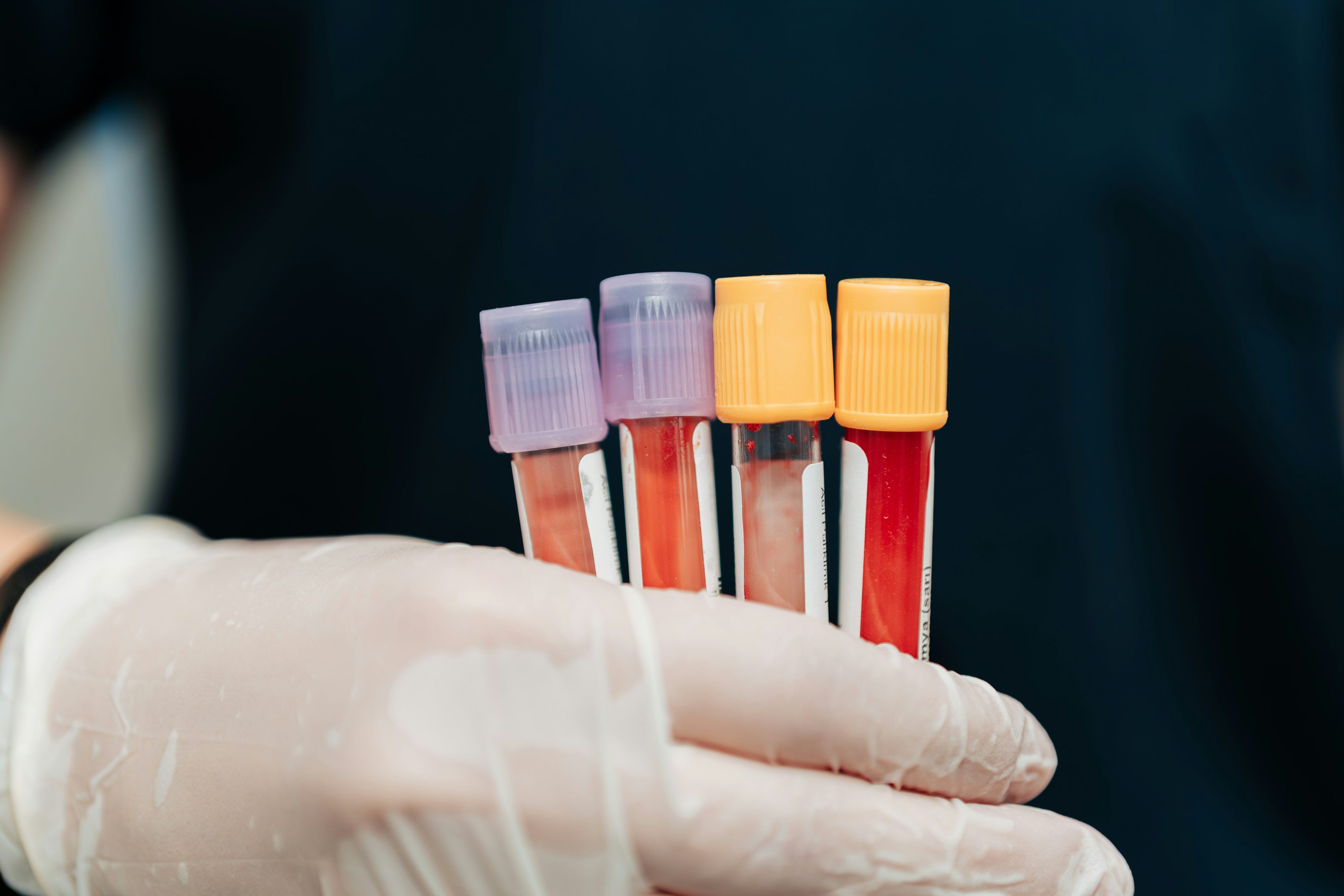
GFAP (Glial Fibrillary Acidic Protein) is a biomarker for the activation and damage of astrocytes in the central nervous system. Quantitative determination in serum can complement the assessment of disease progression in multiple sclerosis and support the diagnosis and monitoring of other neurodegenerative and inflammatory diseases of the central nervous system.
Clinical relevance and applications
In multiple sclerosis, GFAP can provide additional insights into neurodegenerative processes and disease progression independent of relapse activity, known as PIRA. Further applications include MOG antibody-associated diseases and neuromyelitis optica spectrum disorders. In Alzheimer’s disease, GFAP can serve as an adjunct biomarker for monitoring disease progression, particularly under anti-amyloid therapies.
Diagnostic value
GFAP determination enables an objective, blood-based supplement to clinical and imaging-based disease monitoring. Repeated measurements can reflect changes in individual disease progression. GFAP and neurofilament light chain (NfL) can be determined from the same serum sample and, when used together, can provide additional information about different neurodegenerative processes.
Methodology and reporting
The determination is performed using ultrasensitive SIMOA technology. In this bead-based digital immunoassay, GFAP is bound by specific antibodies and quantitatively measured based on individual enzyme signals. This allows for reliable detection of even very low protein concentrations in serum. Analysis is conducted Monday through Friday, with results typically available the next business day.
Sample material and request
Serum is required for the test. Uncentrifuged whole blood in a serum tube remains stable at room temperature for up to six days. The patient’s age must be provided for interpretation. Follow-up measurements should ideally be performed under comparable conditions. The test can be requested via the request form, the referral form for in-vitro diagnostic services, or electronically.
Limitations of the test
GFAP is not a disease-specific biomarker and may also be elevated in other neurological diseases or injuries. Additionally, its concentration is age-dependent. Therefore, a single GFAP value neither allows for a definitive diagnosis of a disease nor immediate therapeutic decisions. The result should always be evaluated in conjunction with clinical, imaging, and other laboratory diagnostic findings.
Diagnostic Spectrum
-
Immunophenotyping for children and adults is performed in the Immunology department using high-performance 10-color/3-laser flow cytometers. In addition to patient care, a broad spectrum of validated flow cytometric assays is also offered in the context of clinical trials (Phase I–III). Depending on the specific question, consultation is also provided on the establishment and validation of new flow cytometric panels.
These investigations are important in many clinical contexts:
- in cases of suspected congenital cellular immunodeficiency (SCID, MHC or TAP defects, hyper-IgM syndrome, leukocyte adhesion deficiency)
- for the classification of patients with common variable immunodeficiency (CVID)
- in cases of suspected immune dysregulation (monitoring of interferonopathies using Siglec-1)
- in cases of suspected granulocyte dysfunction (phagocytosis, O₂ radical formation)
- for immune monitoring of acquired cellular immunodeficiencies (CD4 T-cell count and CD4/8 ratio in HIV infection, therapy monitoring under immunosuppression/chemotherapy)
- for immune monitoring in intensive care patients (e.g., identification of high-risk patients by assessing immune competence)
- for immune monitoring in transplant patients (suspicion of rejection, viral infection, monitoring of immunosuppression therapy)
- in cases of suspected autoimmune processes (T-cell activation)
- to assess therapy efficacy (e.g., B-cell count under rituximab therapy)
- in Sézary syndrome (assessment of CD7 and CD26 expression on CD4 T cells)
- in cases of suspected monoclonal expansion of B or T lymphocytes
- to assess thymus function in persistent T lymphopenia
- to assess the frequency of regulatory T lymphocytes
- to assess the frequency of naive, effector, and memory T cells in transplant and/or immunosuppressed patients
-
The Immunology department offers a wide range of functional immune system assays, particularly relevant in the following clinical contexts.
In cases of suspected functional T-cell defect (frequent recurrent or severe viral or fungal infections, infection with atypical mycobacteria), the following investigations are useful:
- Lymphocyte transformation test (assessment of lymphocyte proliferation following stimulation with mitogens)
- Determination of Th1/Th2/Th17 cytokine production
- Phosphorylation assay of intracellular STAT molecules in cases of suspected cytokine receptor defect or neutralizing cytokine autoantibodies
- In cases of suspected impaired granulocyte function (chronic granulomatous disease/CGD, frequent/severe pyogenic bacterial infections), the following investigations are recommended:
- Phagoburst test (intracellular oxygen radical formation)
- Leukocyte adhesion defect 1/2 diagnostics
Quantitative cytokine determination following stimulation with various receptor ligands is indicated in the following contexts:
- Suspicion of TLR defect, suspected IL-1β/TNFα receptor defect (frequent recurrent severe bacterial infections)
- Monitoring of iatrogenic immunosuppression
In cases of recurrent or severe infections with atypical mycobacteria or salmonella, further investigation should be conducted to rule out a possible type 1 pathway defect (IFNγ or IL-12 synthesis or receptor defects) or to check for the presence of cytokine autoantibodies.
Extended diagnostics in patients with immunoglobulin synthesis disorders (common variable immunodeficiency, CVID) include assessment of CD40L and ICOS expression on CD4+ T cells following mitogen stimulation using FACS.
-
Measurement of soluble mediators in plasma, serum, urine, or cerebrospinal fluid is performed using fully automated chemiluminescence immunoassay systems, sandwich ELISA, or multiplex immunoassays.
Chemiluminescence Assay
The following parameters are measured on the Immulite 2000:
TNFα, IL-1β, IL-6, IL-8, total IL-8 (after erythrocyte lysis), IL-10, sIL-2R.Quantitative determination of these parameters in plasma/serum is indicated in the following contexts or diseases:
- Inflammatory processes/local infections
- Autoimmune disorders (e.g., sarcoidosis)
- Transplant rejection
- Tumor diseases
- Differentiation between viral and bacterial infections
For specific questions, cytokines can also be analyzed from other materials, for example:
- IL-6 and IL-10 from aqueous humor (suspicion of intraocular lymphoma)
- sIL-2R from cerebrospinal fluid (suspicion of neurosarcoidosis)
- For the differential diagnosis of dementia, dementia markers p-TAU, TAU, beta-amyloid 1–40, and 1–42 are determined using the Fujirebio Lumipulse G660II immunoassay analyzer.
Sandwich ELISA
The following parameters are determined using sandwich ELISA:
- MBL (mannose-binding lectin) in cases of susceptibility to infection, particularly frequent recurrent respiratory infections
- Tetanus toxoid IgG, pneumococcal polysaccharide IgG total and IgG2, for example in vaccination response monitoring and CVID diagnostics
- QuantiFERON-TB Gold test (in infection diagnostics)
- SEB-induced IL-17 (see functional assays)
- NF-L (neurofilament light chain) in cases of suspected neurodegenerative diseases such as ALS
- S100 A8/9 (calprotectin) in serum
Multiplex Immunoassays
Multiplex immunoassays enable the simultaneous analysis of multiple analytes in a small sample volume (typically 50 µL). The laboratory offers two platforms for multiplex analysis using electrochemiluminescence technology from Meso Scale Discovery and cytokine bead arrays (BD Biosciences).
The standard offering includes a broad panel of cytokine diagnostics (e.g., in cases of suspected T-cell dysfunction, cytokine defects, allergic predisposition). Custom measurements can also be performed according to specific customer requirements.
Digital Immunoassay Platform
The Quanterix SIMOA (single molecule array) platform is a novel digital immunoassay technology with up to 1,000-fold higher sensitivity compared to conventional ELISAs. Using this technology, neuronal biomarkers such as neurofilament light chain (NF-L), typically measured in cerebrospinal fluid, can now also be quantified in serum despite their low concentrations. This enables the expansion of NF-L determination following simple blood sampling in many areas of outpatient and inpatient neurological and psychiatric patient care. Labor Berlin has introduced this technology into routine diagnostic care as an ISO 15189-accredited test, the first in Europe.
-
The infectious disease diagnostics offered include the following assays:
- QuantiFERON-TB Gold test and TB ELISpot: in cases of suspected infection with Mycobacterium tuberculosis
- TB Flow assay for differentiating active versus latent tuberculosis infection


Request Forms and Pre-analytical Instructions
Services for private patients, self-paying patients, or elective laboratory services are billed directly by Labor Berlin to the relevant payer, unless otherwise agreed with the requesting physician. To facilitate this, the requesting physician will forward the necessary patient data to Labor Berlin and ensure that patients are informed in the legally required manner about the potential referral of laboratory orders to Labor Berlin, including the associated organizational measures—such as billing through a private medical billing service—and obtain their consent. The legal requirements regarding free choice of physician will be fully respected. Please note that the initiation of external elective laboratory services must be carried out by the requesting physician on a case-by-case basis in accordance with the provisions of the Hospital Remuneration Act (KHEntgG), with the specific elective physicians responsible for the service.