
Hematology & Oncology
The Hematology & Oncology department at Labor Berlin was established in 2010/2011 through the merger of the hematology-oncology diagnostic laboratories from the two Charité sites, Campus Benjamin Franklin and Campus Virchow-Klinikum, with the specialized hematology diagnostics from the Vivantes hospitals.
Diagnostics in Hematology-Oncology
Cancer is one of the leading causes of death alongside cardiovascular diseases and represents a major public health challenge.
Hematology-oncology is a field in which findings from immunology and genetics have significantly influenced clinical diagnostics and therapy. This includes, among other advancements, the early use of therapeutic monoclonal antibodies and the development of molecularly targeted therapies. Genetic and immunological diagnostics play a particularly important role in acute leukemias.
Tumor diseases often exhibit pronounced biological heterogeneity. Accurate diagnosis therefore frequently requires the combination of various diagnostic methods. Cytomorphology constitutes a key component of hematological diagnostics. In addition, immunological techniques such as flow cytometry (immunophenotyping) and genetic methods including cytogenetics and molecular genetics are employed. In many hematological diseases and neoplasms, diagnosis is based on the comprehensive evaluation of these diagnostic findings.
Furthermore, immunological and genetic characteristics can provide prognostic information. Clinical studies have identified risk factors relevant to prognosis for various hematological diseases. Identifying these characteristics is often crucial, as therapy can be tailored accordingly.
Diagnostics
-
Even in modern hematology, cytomorphology remains a cornerstone of diagnostics. Depending on the clinical question, the morphological findings are supplemented by immunocytology (flow cytometry), cytogenetics, and molecular biology.
The Cytology Laboratory prepares not only manual differential blood counts but also bone marrow smears and cytological centrifuge preparations from cerebrospinal fluid (CSF) and effusion fluids (pleural effusion, ascites, etc.). In addition to conventional cytological evaluation, cytochemical and immunocytological methods are employed. The goal for all submissions is rapid reporting of findings: with timely sample receipt and notification of urgent cases, results can be provided on the same day!
The following examinations are offered:
- Manual differential blood count, if necessary following leukocyte enrichment
- Bone marrow cytology, including cytochemistry, iron staining, and immunocytology if indicated
- Cytology of effusions (e.g., pleural effusion, ascites), including immunocytology if indicated
- CSF cytology, including immunocytology if indicated
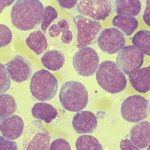
Bone marrow smear of acute myeloid leukemia (AML)
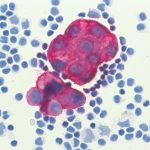
Immunocytological staining: carcinoma cells in pleural effusion
Sample processing and reporting are performed Monday through Friday on business days. EDTA (or citrate) must be used as the anticoagulant. The quality of findings and their interpretation depend significantly on the age and quality of the sample material as well as accompanying clinical data. Therefore, rapid transport is recommended. Important clinical findings should be fully communicated. For bone marrow cytology, a current blood count with differential is particularly important. The laboratory team is available for telephone discussion of findings.
Pre-analytical Notes – Cytology
EDTA is the standard anticoagulant for all cytological examinations. In exceptional cases, citrate may be used. Heparin is unsuitable and should not be used.
Suitable sample materials include:
- Bone marrow aspirate (5 ml)
- Peripheral blood (routine EDTA blood tube)
- Effusion material (ascites, pleural effusion, pericardial effusion, etc.)
- Cerebrospinal fluid (CSF)
Ensure that transport time does not exceed 24 hours and that the sample arrives in the laboratory by 2:00 PM on Fridays at the latest. Samples should generally be sent via express service (overnight delivery) to avoid prolonged transport times.
-
Immunocytological diagnostics (via flow cytometry) is a key pillar for the diagnosis and monitoring of leukemias and lymphomas, alongside morphology, cytogenetics, and molecular biology. Immunophenotyping of malignant cells is typically performed on peripheral blood and bone marrow. However, body fluids such as CSF and effusions can also be submitted as sample material. Modern multiparametric flow cytometry relies on advances in three key areas:
- Laser optics
- Computer-assisted data processing
- Development of new fluorescent dyes for coupling to monoclonal antibodies
By combining multiple fluorescent dye-coupled antibodies and utilizing the different light-scattering properties of cells, it is possible to:
- Classify malignant hematological neoplasms and
- Assess treatment success in remission evaluation and minimal residual disease (MRD) monitoring.
The goal for all submissions is rapid reporting of findings: with timely sample receipt, results are sent by fax on the same day.
The laboratory performs the following examinations:
- Immunophenotyping of leukemias and lymphomas (5–10 ml EDTA blood or bone marrow)
- Remission evaluation including MRD (minimal residual disease) detection in leukemias and lymphomas (5–10 ml EDTA blood or bone marrow)
- Detection of leukemia/lymphoma cells in CSF and effusion fluids (5 ml EDTA-anticoagulated sample material)
- Detection of myeloma cells (5 ml EDTA blood or bone marrow)
- PNH diagnostics (10 ml EDTA blood)
- Quantification of CD34+ hematopoietic stem cells (2 ml EDTA blood or stem cell product)
EMA test for suspected hereditary spherocytosis (2 ml EDTA blood)
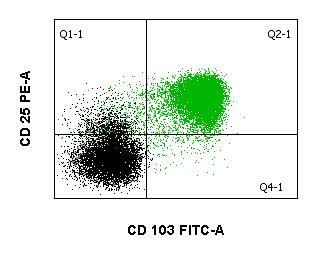
Hairy cell leukemia (peripheral blood)
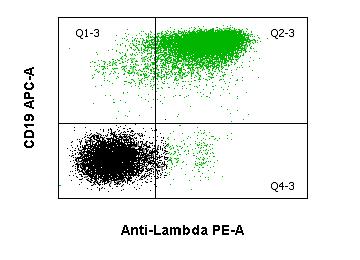
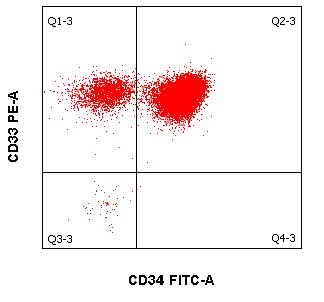
Acute myeloid leukemia (bone marrow)
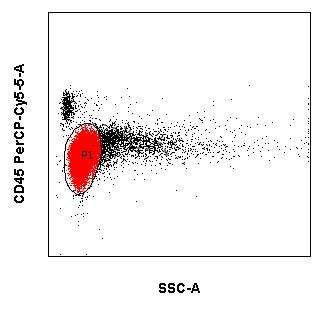
Sample processing and reporting are performed Monday through Friday on business days. The quality of findings and their interpretation depend significantly on the age and quality of the sample material as well as accompanying clinical information. Therefore, rapid transport is recommended. Important clinical findings, including blood count and differential, should be fully communicated. The laboratory team is available for telephone discussion of findings.
Pre-analytical Notes – Flow Cytometry
EDTA is the standard anticoagulant for all flow cytometric examinations. Heparin is less suitable and should only be used if no alternative is available (e.g., accidental collection in the wrong syringe during bone marrow aspiration).
Suitable sample materials include:
- Bone marrow aspirate (5–10 ml)
- Peripheral blood (5–10 ml)
- Effusion material (ascites, pleural effusion, pericardial effusion, etc.), preferably 10 ml
- Cerebrospinal fluid (CSF)
- PNH diagnostics are performed on peripheral blood!
Samples must be sent via express service (overnight delivery) to minimize transport time. Upon receipt in the laboratory, samples should not be older than 24 hours. Before weekends, ensure that the sample arrives in the laboratory by 12:00 PM on Friday.
-
Molecular tumor genetics focuses on the analysis of molecular alterations in malignant diseases. Knowledge of molecular alterations in malignant diseases has grown exponentially in recent decades, particularly since the completion of the first human genome sequencing in 2001 as part of the Human Genome Project. Consequently, diagnostic capabilities have expanded significantly.
The primary diagnostic methods in molecular tumor genetics include various techniques of polymerase chain reaction (PCR) and DNA sequencing. Molecular diagnostic tumor genetics has two main applications:
- Identification of molecular alterations in tumors. This includes chromosomal translocations or mutations in the broadest sense. In some chromosomal translocations, chimeric fusion genes are formed, which are transcribed into mRNA. This chimeric mRNA can be detected using RT-PCR. Point mutations can lead to amino acid substitutions and thus alter gene function. Other mutations result in frameshifts, loss of splice sites, etc., leading to gene dysfunction. Many of these molecular alterations in tumors are of prognostic or therapeutic significance.
- Monitoring disease progression using molecular markers. In many hematological diseases, molecular alterations can be quantified using quantitative PCR. Regular quantification of these alterations during disease progression provides valuable information about disease burden, e.g., assessing treatment efficacy. These measurements are particularly important in acute and chronic leukemias (MRD = minimal residual disease).
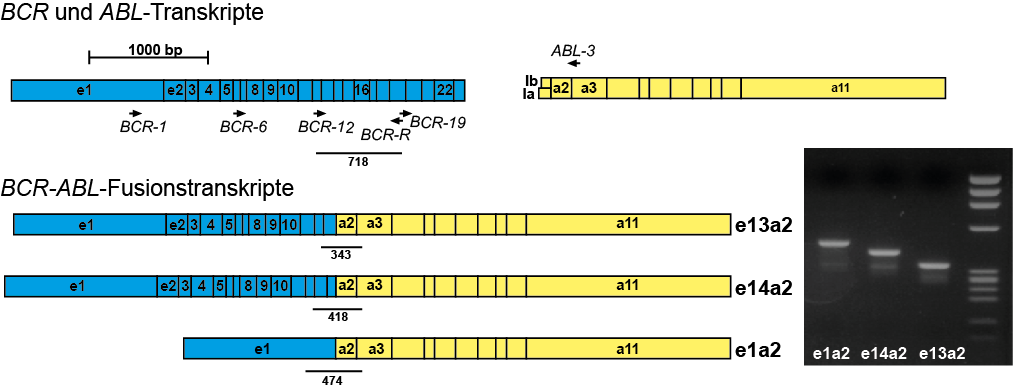
Example: Detection of BCR-ABL fusion using RT-PCR
Method Spectrum
The most important molecular genetic methods used at Labor Berlin include:
- Conventional PCR and RT-PCR (detection in agarose gel)
- Long-range PCR
- Real-time quantitative PCR (genomic DNA or cDNA)
- DNA sequencing (Sanger and next-generation sequencing, NGS)
- Chimerism analysis following allogeneic transplantation
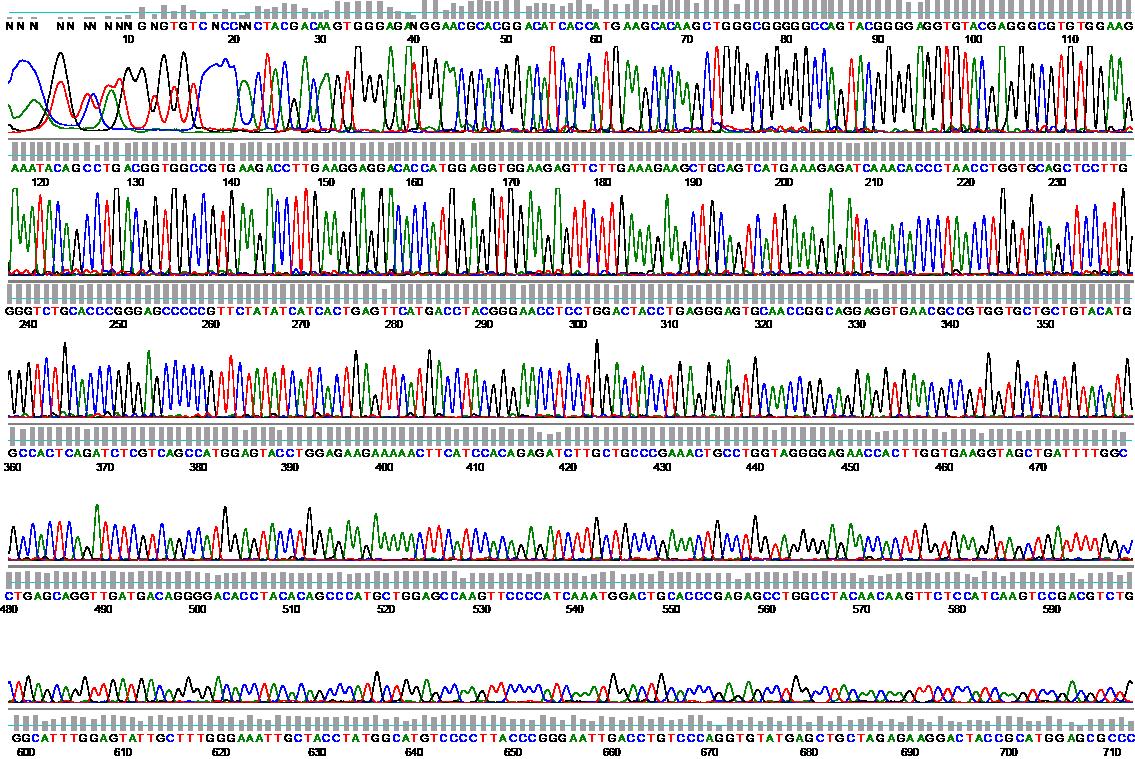
Example: BCR-ABL mutation analysis using sequencing
Pre-analytical Notes
Anticoagulant for all molecular genetic examinations is EDTA by default. In exceptional cases, citrate may be used. Heparin is unsuitable (inhibits enzymatic reactions such as PCR) and should only be used if no alternative is available (e.g., accidental collection in the wrong syringe during bone marrow aspiration).
Suitable sample materials include:
- Bone marrow aspirate (5 ml)
- Peripheral blood (10 ml)
- Effusion material (ascites, pleural effusion)
- Cerebrospinal fluid (CSF)
- Lymph node or tumor biopsy (must be unfixed, i.e., in saline or water!)
For tumor material or lymph node submissions, prior telephone consultation is requested. Molecular genetic diagnostics from CSF are typically successful only if the sample is highly cellular. Prior telephone consultation is also recommended in this case.
For chimerism analysis following allogeneic transplantation, it must be ensured that our laboratory receives material from both the donor and the recipient prior to transplantation. Chimerism analysis requires knowledge of differences in chimerism markers between donor and recipient. Chimerism analysis can be performed either as “unsorted” (“total chimerism”) from whole blood, bone marrow, etc., or as “sorted” (“sorted chimerism”), i.e., from isolated cell fractions such as CD34+ stem cells. If “sorted chimerism” is requested, the sample must be fresh, meaning the cells to be sorted must still be intact.
Sample shipment should be via express mail, particularly for time-critical samples (e.g., acute leukemia). Avoid shipping on Fridays if possible.
-
Tumor cytogenetics investigates acquired chromosomal abnormalities in hematological neoplasms and solid tumors. Characteristic chromosomal abnormalities frequently associated with specific tumor types are linked to neoplastic transformation: they are considered primary abnormalities. Secondary abnormalities occur as the disease progresses and the genome becomes increasingly unstable. They can contribute to tumor progression.
What can tumor cytogenetics achieve?
Cytogenetic examination of peripheral blood and bone marrow is now standard diagnostics for malignant hematological diseases. It includes classical chromosome analysis combined with fluorescence in situ hybridization (FISH). Cytogenetic analysis plays a crucial role in confirming and specifying suspected diagnoses, prognosis assessment, and treatment options. It also serves to monitor disease progression. Identifying specific genetic markers of the malignant cell clone can further aid in monitoring treatment progress.Indications
Myeloid Leukemias
- Myeloproliferative neoplasms (MPN)
- Myelodysplastic/myeloproliferative diseases
- Myelodysplastic syndromes (MDS)
- Acute myeloid leukemia (AML)
- Biphenotypic acute leukemia (BAL)
Acute Lymphoblastic Leukemias
- B-cell acute lymphoblastic leukemia (B-ALL)
- T-cell acute lymphoblastic leukemia (T-ALL)
- Non-Hodgkin lymphomas (NHL)
Methods
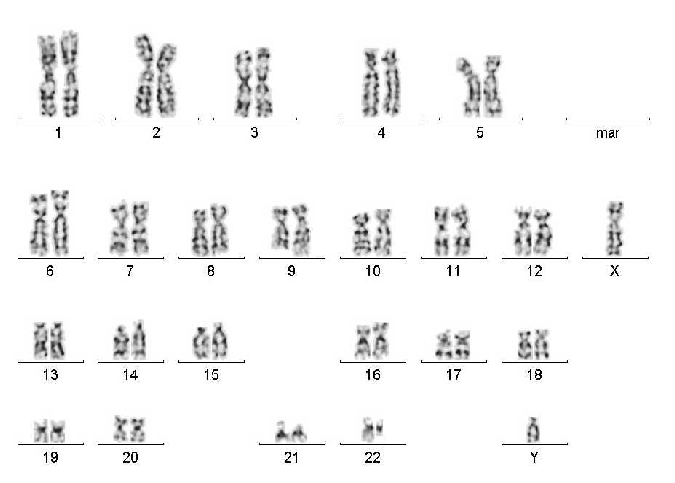
Karyotype
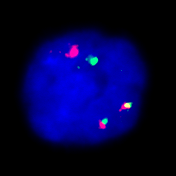
Fluorescence in situ hybridization
Chromosome analysis is performed on prepared metaphases using computer-assisted karyotyping.
FISH analysis enables the detection of finer, submicroscopic alterations. It also allows screening for common, tumor-specific aberrations in cases with insufficient tumor cell proliferation (e.g., plasmacytoma or chronic lymphocytic leukemia).
Spectral karyotyping (SKY) represents a significant advancement of the FISH method. It is gaining increasing importance in molecular cytogenetic tumor diagnostics. SKY can elucidate complex aberrant rearrangements with unknown translocation partners or marker chromosomes of unknown origin.
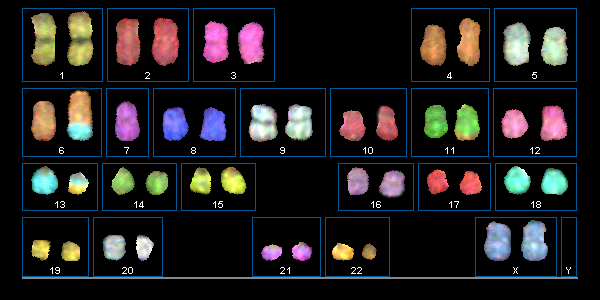
Spectral karyotyping
Pre-analytical Notes
Sodium heparin bone marrow 10 ml / peripheral blood 20 ml
Disease Entities
The subpages provide general information and diagnostic guidance on various hematological diseases. The classification into disease groups is based on the WHO Classification of Haematopoietic and Lymphoid Tissue Neoplasms from 2008.
Each subsection includes guidance on how to conduct rational diagnostics.
For example, the following chapters provide recommendations on when genetic testing is appropriate (typically depending on associated immunological and morphological findings).
- Acute myeloid leukemia
- Acute lymphoblastic leukemia
- Myelodysplastic syndromes
- Eosinophilic syndromes
- Non-Hodgkin lymphomas
The following chapters also provide more detailed information on selected individual diseases:
- Non-Hodgkin lymphomas
- Myelodysplastic syndromes
- MDS/MPN overlap syndromes
- Myeloproliferative neoplasms
-
Laboratory chemical basic diagnostics for MPN include microscopic differential blood count, determination of clinical chemical parameters, and bone marrow diagnostics.
Bone marrow diagnostics at initial diagnosis should include the following examinations:
- Bone marrow histology
- Bone marrow cytology
- Immunophenotyping
- Molecular genetics
- Cytogenetics
Bone marrow histology is the only one of the above examinations not offered by Labor Berlin. It allows assessment of the degree of fibrosis in the bone marrow and is important for the differential diagnosis of myeloproliferative neoplasms.
Chronic Myeloid Leukemia (CML)
In bone marrow cytology, chronic myeloid leukemia typically shows an increase in all three cell lineages (megakaryopoiesis, myelopoiesis, erythropoiesis), with myelopoiesis being clearly dominant, often accompanied by eosinophilia and basophilia.
Molecularly, the BCR-ABL fusion gene is almost always detectable by RT-PCR. If molecular genetic analysis cannot detect this fusion gene, CML is unlikely. Conventional cytogenetics occasionally fails to detect the t(9;22) translocation or Philadelphia chromosome, but molecular genetics can still identify the BCR-ABL fusion. Molecular genetic analysis for suspected CML can also be performed on peripheral blood. Since there are many different BCR-ABL transcript variants, molecular genetic analysis must be designed to detect all of them.
Cytogenetic analysis should be performed on bone marrow and, if not otherwise possible, on peripheral blood, as cells obtained from peripheral blood often fail to divide adequately in culture. Cytogenetically, CML typically shows the t(9;22)(q34;q22) translocation, which often results in a shortened chromosome 22 (“Philadelphia chromosome”).
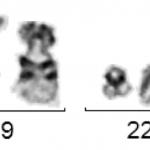
t(9;22)(q34;q11) with Philadelphia chromosome
The value of cytogenetic analysis lies not only in detecting t(9;22) but also in identifying additional aberrations. Typical additional aberrations in CML include loss of the long arm of chromosome 9 (del(9q)), an additional Philadelphia chromosome or a second t(9;22), and inversion of chromosome 17 (inv(17)). All three additional aberrations are considered prognostically unfavorable, are more frequently found in the accelerated phase or blast crisis, and may indicate rapid disease progression. There are also rare cases in which the clinical picture suggests CML, but genetically there is no t(9;22) translocation or BCR-ABL fusion gene; instead, the BCR gene is fused with other tyrosine kinases (e.g., BCR-FGFR3, BCR-JAK2, etc.). Cytogenetics should always be supplemented by fluorescence in situ hybridization (FISH) for the BCR-ABL fusion gene.
Follow-up examinations in CML
Follow-up examinations in BCR-ABL-positive CML are performed using quantitative PCR (qPCR). In cases of high disease burden, additional cytogenetic (+FISH) examinations are useful. Peripheral blood is sufficient for molecular genetics, as studies have shown that BCR-ABL levels correlate relatively well between bone marrow and blood. The European LeukemiaNet has defined specific time landmarks that should be achieved during therapy with tyrosine kinase inhibitors. Failure to reach these targets may serve as a warning signal. In patients undergoing therapy with tyrosine kinase inhibitors, qPCR from peripheral blood should be performed every three months.BCR-ABL mutation analysis
If there is a continuous significant increase in BCR-ABL levels (by more than one order of magnitude) in multiple consecutive qPCR examinations during therapy with a tyrosine kinase inhibitor, BCR-ABL mutation analysis should be performed. This is done by direct sequencing of the most recently submitted sample with the highest BCR-ABL level. If a BCR-ABL mutation is found, this may provide valuable guidance for switching to a different tyrosine kinase inhibitor.BCR-ABL-negative Myeloproliferative Neoplasms (MPN)
The majority of MPNs do not exhibit the BCR-ABL fusion gene. However, other molecular aberrations are often detectable.
MPN with JAK2 V617F mutation
Since its initial description in 2005, it has been known that many MPNs are characterized molecularly by a point mutation in Janus kinase 2 (JAK2). This point mutation leads to an amino acid substitution of valine to phenylalanine at position 617 of the JAK2 protein (V617F mutation) and, consequently, to constitutive activation of the JAK2 kinase.The JAK2 V617F mutation is found in varying percentages in different MPNs – in more than 90% of cases of polycythemia vera (PV) and in a significantly lower percentage in primary myelofibrosis (PMF) or essential thrombocythemia (ET). A negative JAK2 V617F result does not exclude these diseases. JAK2 mutations have been included by the WHO as major criteria for the diagnosis of PV, PMF, or ET.
MPN with JAK2 exon 12 mutations
Mutations in other sections of the JAK2 gene are much rarer than the JAK2 V617F mutation, which is based on a nucleotide mutation in JAK2 exon 14. These mutations are primarily found in exon 12 of the JAK2 gene. Patients with JAK2 exon 12 mutations almost always present with isolated erythrocytosis, i.e., polycythemia vera. These mutations are very rare and should not be routinely determined in every MPN diagnosis. Testing is recommended in cases with a clinical picture of PV and simultaneously undetectable JAK2 V617F mutation.MPN with calreticulin (CALR) mutation
Since 2013, it has been known that approximately 25 to 30% of PMF and ET cases exhibit mutations in the last coding exon of the CALR gene. These mutations are almost never found in PV. The mutations lead to a -1 nucleotide frameshift, resulting in a mutated calreticulin protein with an altered carboxy-terminal end. This causes mislocalization of the protein to subcellular compartments. Two recurrent mutation types are mainly observed – “Type 1” and “Type 2” – but numerous other mutations also exist. CALR mutations are generally considered prognostically more favorable than JAK2 mutations.MPN with MPL W515L mutation
In ET and PMF, a point mutation in the thrombopoietin receptor gene MPL can occasionally be found, leading to an amino acid substitution of tryptophan to leucine at position 515 (W515L mutation). The mutation is found in 5% or fewer of all patients with ET or PMF, more frequently in PMF than in ET. Detection of the MPL W515L mutation is one of the WHO major diagnostic criteria for PMF and ET.Systemic mastocytosis
Systemic mastocytosis in adult patients frequently exhibits activating mutations in the tyrosine kinase KIT located on chromosome 4q11. The most common mutation is the amino acid substitution of aspartate to valine at position 816 (D816V).WHO diagnostic criteria for PV, ET, and PMF from 2008
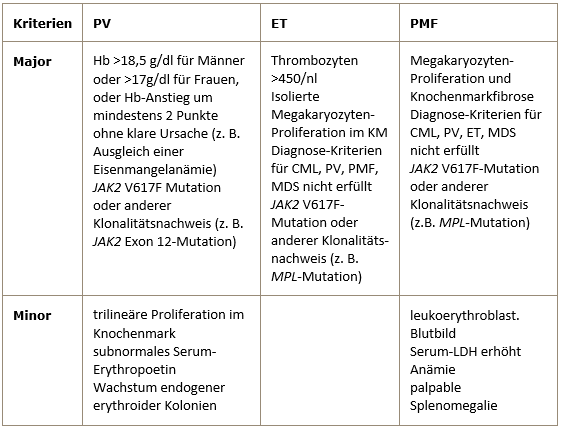
Diagnosis of PV requires either both major criteria and one minor criterion or the first major criterion and two minor criteria.
Diagnosis of ET requires all four major criteria.
Diagnosis of PMF requires all three major criteria and two minor criteria. -
The term myelodysplastic syndromes (MDS) encompasses a heterogeneous group of clonal myeloid diseases. A common feature of these disorders is impaired maturation of myelopoiesis in the bone marrow, associated with peripheral cytopenia. MDS must be differentiated both from acute myeloid leukemia (AML) and from myeloproliferative neoplasms (MPN). Basic diagnostics for suspected MDS include:
- Bone marrow cytology
- Bone marrow cytogenetics</n
- Microscopic differential blood count
- Bone marrow histology
- Immunophenotyping (flow cytometry) of the bone marrow
- Molecular genetics
The two most important bone marrow examinations in MDS diagnostics are morphology and cytogenetic analysis. Bone marrow histology should be analyzed by a hematopathologist.
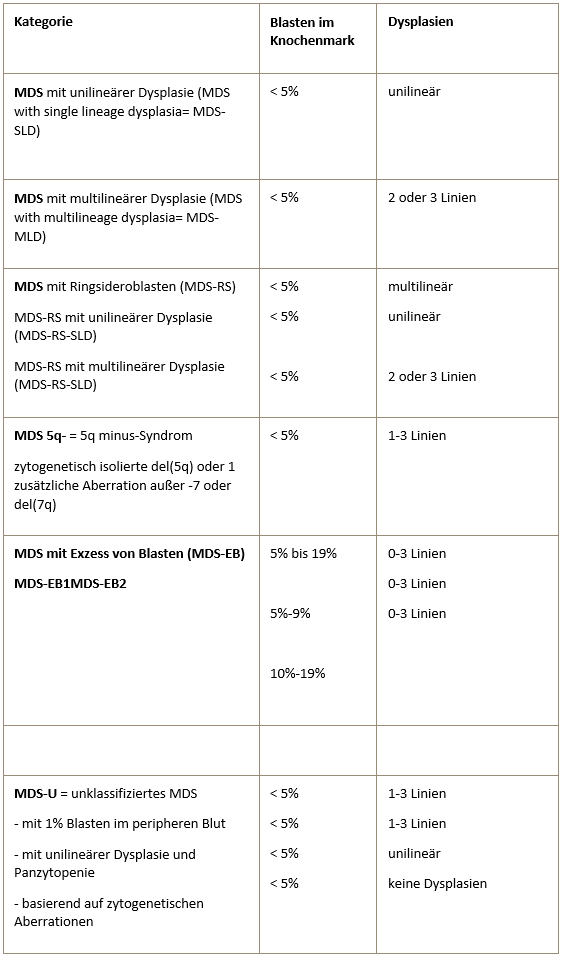
Historically, MDS were also referred to as “preleukemia,” a term derived from the fact that all MDS carry a risk of progressing to acute myeloid leukemia (AML). However, this risk varies greatly depending on the MDS subtype. The transition from MDS to AML is gradual, and the differential diagnosis between MDS and AML must ultimately be made clinically. By definition, AML is diagnosed when bone marrow blasts exceed 20%, while MDS is diagnosed when blasts are below 20%. Primary diagnostics also include microscopic differential blood count. This reveals the type and number of cytopenias (important for MDS classification) and the monocyte count must also be considered. Persistent monocytosis >1,000/µl is defined as chronic myelomonocytic leukemia (CMML), which is classified as a mixed MDS/MPN disorder.
WHO classification (2016) of myelodysplastic syndromes
Bone marrow cytology
Bone marrow cytology is of great importance in diagnosing and monitoring MDS. It is used to assess the blast percentage and dysplastic changes in the various cell lineages. It also detects the presence of ring sideroblasts. Ring sideroblasts are erythroblasts that show perinuclear granules (so-called siderosomes) in Prussian blue staining. These granules consist of ferritin-loaded mitochondria. Ring sideroblasts are also found in small numbers in healthy bone marrow. In MDS, they indicate an iron utilization disorder.
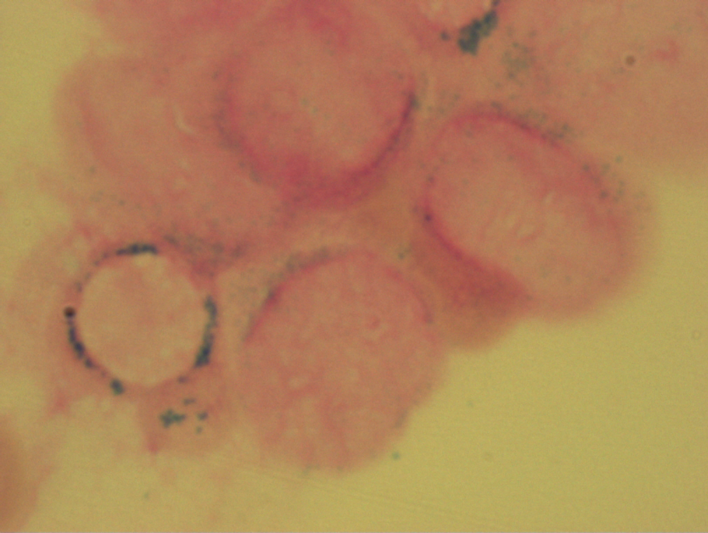
Ring sideroblasts in RARS
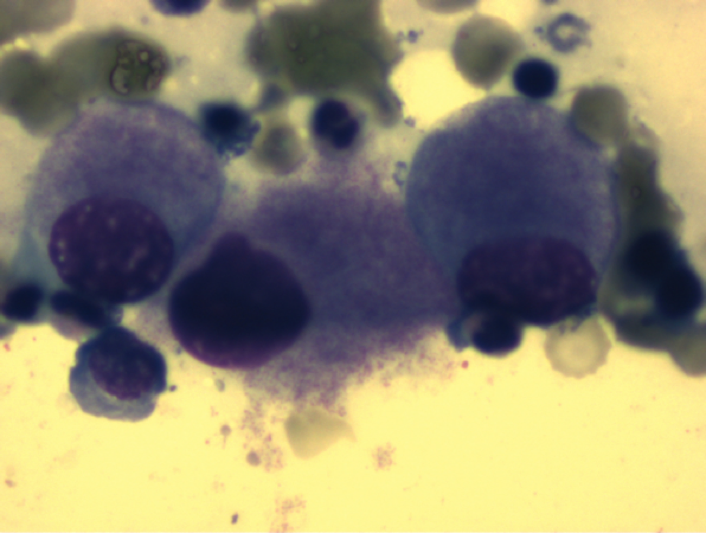
Dysplastic megakaryocytes in MDS 5q-
Flow cytometry
Immunophenotyping by flow cytometry should be performed as a supplement, including to estimate the proportion of myeloid blasts.
Genetics
The genetic basis of myelodysplastic syndromes is heterogeneous. Numerous genetic alterations, some of which have prognostic significance and vary in combination, are known. To date, cytogenetically defined changes have been of particular importance, as they have allowed clear risk groups to be identified. Therefore, cytogenetic analysis in MDS has a similarly high value as bone marrow morphology. A thorough cytogenetic analysis should be performed in every suspected MDS workup. Bone marrow cytogenetics should also include fluorescence in situ hybridization (FISH) for the most important cytogenetic aberrations found in MDS.
Prognostic significance of common cytogenetic aberrations in MDS
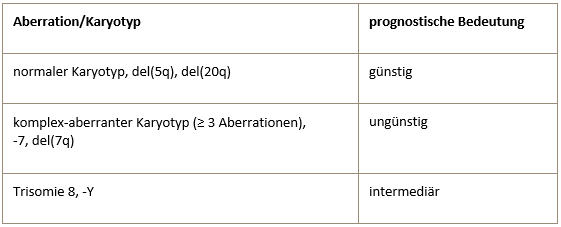
All aberrations not listed in this table are assigned to the intermediate prognostic risk group.
The FISH probe panel for MDS diagnostics at Labor Berlin includes the following probes/gene loci:
- 5q31/5q33 (5q deletion, monosomy 5)
- 7q31 (7q31 deletion, monosomy 7)
- 20q12 (20q12 deletion, monosomy 20)
- CEP 8 (trisomy 8)
- TP53 (17p13 deletion)
- CEN Y (loss of Y chromosome)
- TEL (ETV6) (12p13 deletion)
5q minus syndrome
The most common cytogenetic aberration in MDS is deletion of the long arm of chromosome 5 (del(5q)). A “minimally deleted region” has been localized to 5q31-32.
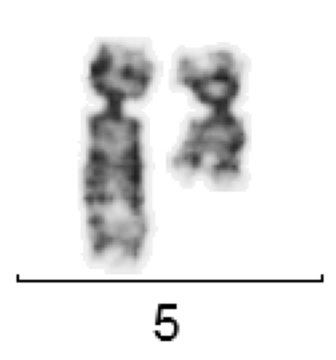
del(5)(q12Q33) in MDS
To date, the role of the genes located in this region in the molecular pathogenesis of MDS remains largely unknown. The 5q minus syndrome (MDS 5q) is characterized by a partial or complete del(5q) as the sole cytogenetic aberration (i.e., without additional aberrations) or with an additional aberration (except -7 or del(7q)). The blast percentage in the bone marrow is less than 5%. Typically, MDS 5q- shows unusually small megakaryocytes with monolobulated nuclei in the bone marrow.
Molecular genetics
In recent years, many molecular genetic aberrations have been described in MDS. Affected genes include splice factors such as SRSF2 or SF3B1, tumor suppressors such as TP53, epigenetic regulators such as TET2, DNMT3A or ASXL1, transcription factors such as RUNX1, and others. However, each of these gene aberrations occurs in less than 10-20% of MDS cases. For some genes, relatively clear adverse prognostic implications are known (TP53, ASXL1, EZH2). Most of these aberrations are not specific to MDS and are also found in other myeloid neoplasms (AML, MPN). AML-typical aberrations such as t(15;17)/PML-RARA, inv(16)/CBFB-MYH11, t(8;21)/AML1-ETO do not occur in true MDS. Molecular genetic testing (typically as a “gene panel”) in MDS can aid in diagnosis, prognosis assessment, identification of molecular markers for potential future quantitative monitoring, and identification of target genes/proteins for potential targeted therapy.
-
MDS-MPN overlap syndromes
There are malignant hematologic diseases that exhibit both features of myeloproliferation (increase in at least one cell lineage visible in the peripheral blood smear) and features of myelodysplasia (dysplastic myelopoiesis in the bone marrow). Therefore, the WHO classification of 2008 introduced the entity “myelodysplastic/myeloproliferative neoplasms.” This entity must be differentiated from MPN and MDS. Bone marrow diagnostics correspond to those performed for MPN and MDS. Two more precisely defined MDS/MPN forms are briefly described below.
Chronic myelomonocytic leukemia (CMML)
CMML is defined by the following features:
- Persistent monocytosis >1,000/µl in peripheral blood for an extended period without any other identifiable cause
- Dysplasia in one or more hematopoietic lineages in the bone marrow
- No evidence of BCR-ABL or Philadelphia chromosome
- Blast percentage in bone marrow <20%
The genetic background of CMML is not uniform and has not yet been fully elucidated. In a small minority of cases (less than 5%), the JAK2 V617F mutation is detectable. Bone marrow cytology and cytogenetic examination are of particular diagnostic importance.
Refractory anemia with ring sideroblasts and thrombocytosis (RARS-T)
RARS-T is defined by the following features:
- <5% blasts in bone marrow
- Dysplasia in one or more cell lineages in bone marrow
- >15% ring sideroblasts in bone marrow
- Thrombocytosis >600/nl in peripheral blood
The main differential diagnoses are essential thrombocythemia (ET; no high-grade dysplasia or increased ring sideroblasts) and RARS or RCMD (no thrombocytosis).
In the majority of RARS-T cases, the JAK2 V617F mutation is detectable.
-
Some malignant hematologic diseases are associated with eosinophilia. This is particularly characteristic of myeloproliferative neoplasms. However, eosinophilia can also be found in some T-cell lymphomas.
Basic diagnostics for suspected malignant disease with eosinophilia include:
- Bone marrow histology
- Bone marrow cytology
- Immunophenotyping
- Molecular genetics
- Cytogenetics
The genetic basis of malignant eosinophilic diseases is heterogeneous and only partially understood to date. In some cases, aberrations of specific genes are present:
- PDGFRA (platelet-derived growth factor receptor alpha) on chromosome 4q12
- PDGFRB (platelet-derived growth factor receptor beta) on chromosome 5q33.1
- FGFR1 (fibroblast growth factor receptor 1) on chromosome 8p12
All three genes encode tyrosine kinases. It is likely that additional, as yet unidentified tyrosine kinases are involved in the etiopathogenesis of malignant eosinophilic diseases.
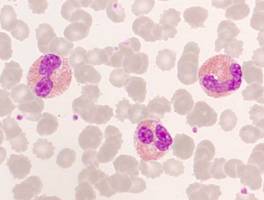
Eosinophils in peripheral blood
A precise cytogenetic analysis (preferably always from bone marrow) is of crucial importance. This cytogenetic analysis should include fluorescence in situ hybridization (FISH) for the PDGFRA, PDGFRB, and FGFR1 genes.
In a small proportion of cases of chronic eosinophilic leukemia, a FIP1L1-PDGFRA fusion gene is found. This fusion gene can be detected by molecular genetic RT-PCR or FISH analysis. It results from a microdeletion on chromosome 4q12 that is not visible by conventional cytogenetics and involves fusion of the adjacent FIP1L1 and PDGFRA genes.
Detection of PDGFRA or PDGFRB aberrations has immediate therapeutic consequences: both tyrosine kinases can be effectively inhibited by imatinib, nilotinib, or dasatinib.
Mast cell diseases
In the 2017 WHO classification of hematologic neoplasms, mastocytosis was defined as a separate disease entity (previously classified under myeloproliferative neoplasms). The following forms are distinguished:
- Cutaneous mastocytosis
- Indolent systemic mastocytosis
- Systemic mastocytosis with associated hematologic neoplasm (SM-AHN)
- Aggressive systemic mastocytosis (ASM)
- Mast cell leukemia
- Mast cell sarcoma
In the vast majority of all mastocytosis forms, activating somatic mutations in the tyrosine kinase KIT are found. By far the most common is the KIT D816V mutation, which can be detected with high sensitivity by quantitative PCR in blood, even in clinical forms that do not appear to show hematogenous spread. If the KIT D816V mutation is not detectable but there is still a high suspicion of a clonal mast cell disease, KIT sequencing should be performed to detect other, rarer KIT mutations. Depending on the KIT mutation type, different tyrosine kinase inhibitors can be used.
-
Bone marrow diagnostics in AML include:
- Bone marrow cytology
- Immunophenotyping
- Molecular genetics
- Cytogenetics
Bone marrow histology is generally unnecessary and only required in special cases (punctio sicca).
Cytomorphology
Cytomorphology is of greater importance in AML than in ALL, as some AML subtypes can be diagnosed cytomorphologically. AML is often still classified according to the French-American-British (FAB) classification, which dates back to 1976 and is purely cytomorphological. More modern classifications, such as the 2016 WHO classification, also consider genetic and immunological aspects. Cytomorphology is particularly important in recognizing the FAB M3 subtype (acute promyelocytic leukemia). The FAB M4Eo subtype (acute myelomonocytic leukemia with abnormal eosinophils) can usually also be identified cytomorphologically.
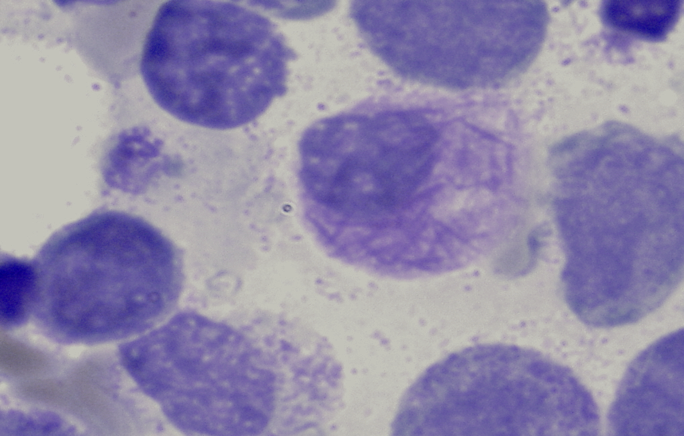
Bundles of Auer rods in AML M3
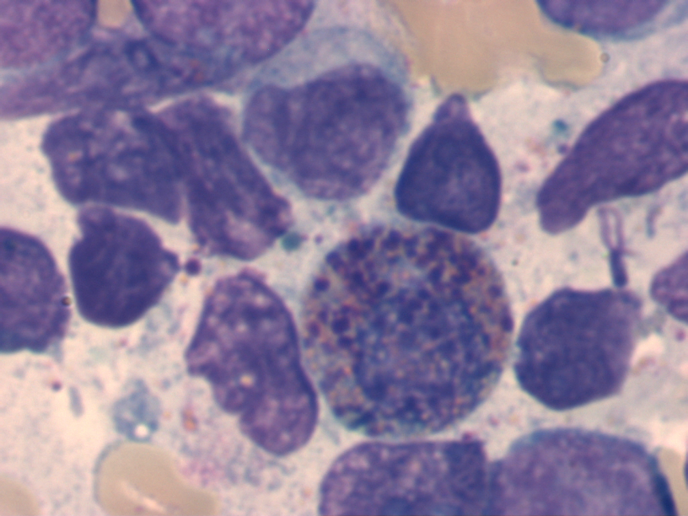
Abnormal eosinophil in AML M4Eo
Flow cytometry
Immunophenotyping by flow cytometry can confirm the myeloid lineage of an acute leukemia. However, in routine AML diagnostics, flow cytometry has less value in further subtyping than in ALL, as individual AML subtypes (FAB or WHO) cannot be reliably distinguished from each other immunocytologically.
Cytogenetics and molecular genetics
Cytogenetic and, in particular, molecular genetic analysis is becoming increasingly important in AML. A large number of genetic aberrations have now been described, and the picture is further complicated by the fact that these genetic aberrations often occur in combination.
Genetic basic diagnostics for every AML should always include conventional cytogenetic analysis. The following table lists indications for molecular genetic testing.
Indications for molecular genetic testing
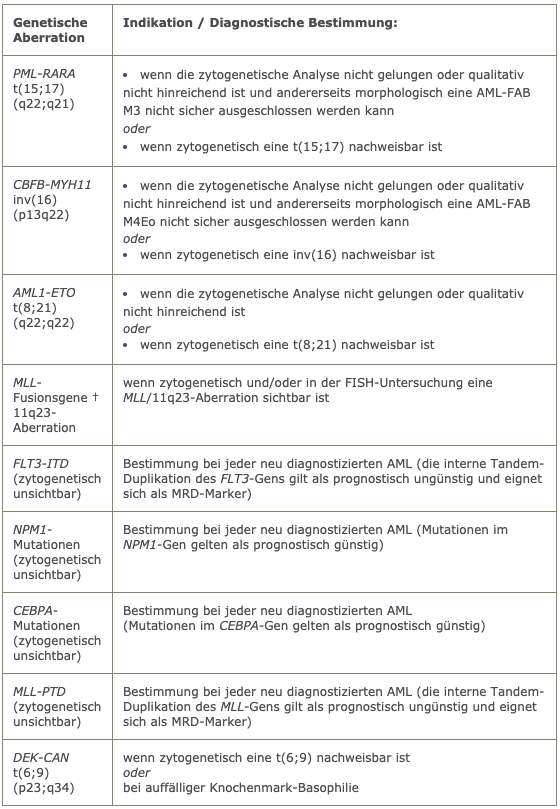
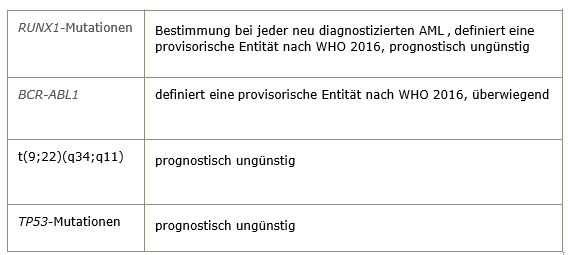
† The most common MLL fusion genes in AML are:
- MLL-AF9/t(9;11)(p22;q23)
- MLL-ENL/t(11;19)(q23;p13.3)
- MLL-ELL/t(11;19)(q23;p13.1)
- MLL-AF6/t(6;11)(q27;q23)
- MLL-AF10/t(10;11)(p13;q23)
Together, these account for more than 80% of all MLL translocations in AML.
-
Bone marrow diagnostics in ALL include:
- Bone marrow cytology
- Immunophenotyping
- Molecular genetics
- Cytogenetics
Bone marrow histology is generally unnecessary and only required in special cases (punctio sicca).
About one-third of all ALL cases occur in childhood (<15 years), with the remainder in adolescents and adults (≥15 years). Precise immunological and genetic characterization serves both to confirm the diagnosis and for risk stratification, as different ALL subtypes have been shown to have very different prognoses. Furthermore, genetic-immunological characterization opens up possibilities for targeted therapy (e.g., imatinib, rituximab, blinatumomab).
Flow cytometry
Flow cytometric analysis is central to ALL diagnostics. It allows differentiation between B-lineage and T-lineage ALL. Within B-lineage ALL, distinguishing mature B-ALL from precursor B-ALL is of great therapeutic relevance.
Immunological classification of ALL according to EGIL (European Group for the immunological classification of acute leukemias)
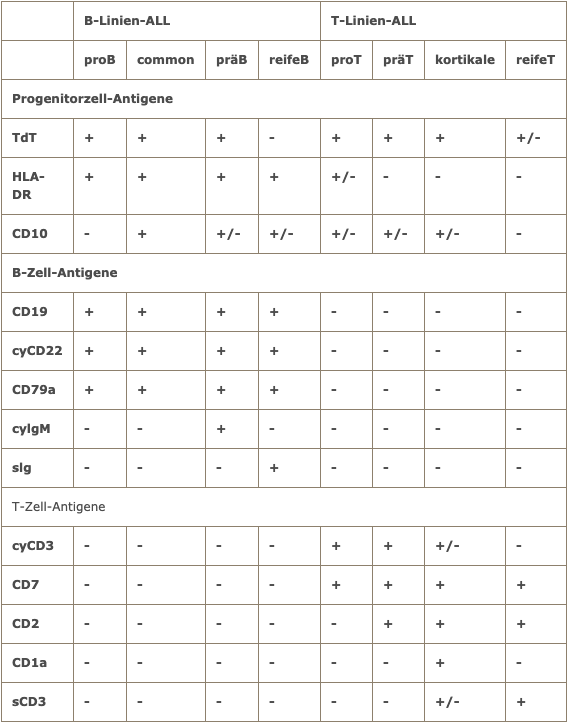
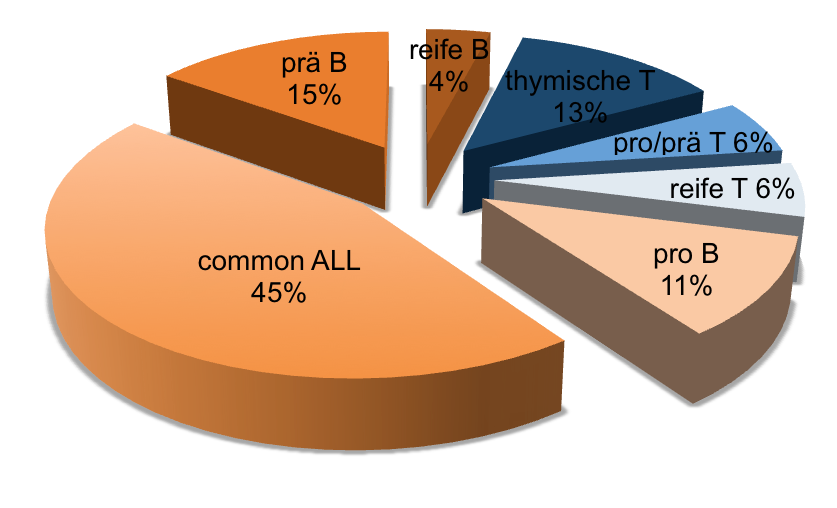
Approximate frequency of various immunophenotypes in adult ALL
Sample material for flow cytometry is bone marrow aspirate or blast-rich peripheral blood. In special cases, unfixed lymph nodes can also be examined.
Genetics
The genetic background of ALL differs significantly between childhood and adolescent/adult cases. Many genetic aberrations in ALL show a pronounced age dependence. Accordingly, diagnostic emphasis is often placed differently in children and adults.
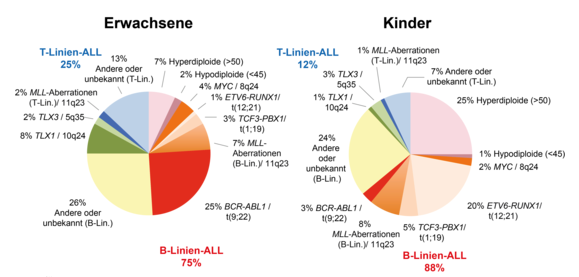
Approximate distribution of genetic aberrations in ALL
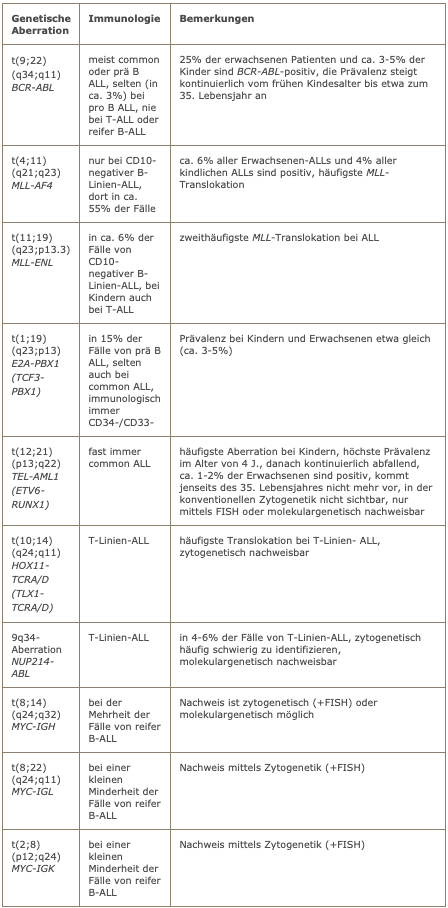
The genetic aberrations found in ALL are often closely correlated with specific immunophenotypes.
Common genetic aberrations in ALL
Cytogenetics
Cytogenetic examination is mandatory. In precursor B-ALL, it should also include FISH analysis for BCR-ABL and MLL aberrations. In mature B-ALL, FISH analysis for MYC translocation should be performed.
Molecular genetics
The molecular genetic testing program is based on the immunophenotype. In precursor B-ALL, testing for BCR-ABL is mandatory. In CD10-negative ALL, the two most common MLL fusion genes, MLL-AF4 and MLL-ENL, should be examined. In pre-B ALL, testing for E2A-PBX1 should be performed. In mature B-ALL, MYC-IGH fusion should be examined. In T-lineage ALL, testing for NUP214-ABL is useful.
-
Non-Hodgkin lymphomas comprise a heterogeneous group of diseases. Basic diagnostics include:
- Lymph node and/or bone marrow histology
- Immunophenotyping (flow cytometry)
- Cytogenetics
- Molecular genetics
- Bone marrow cytology
Lymph node or bone marrow histology, analyzed by a pathologist, is usually of particular importance. In difficult cases, a reference pathologist for lymphoproliferative diseases should always be consulted. Bone marrow diagnostics serve both to confirm the diagnosis and for staging.
In some leukemic lymphomas, the diagnosis may sometimes be made from blood. In any case, cytogenetic analysis should be performed if viable tumor material is available.
Immunophenotyping by flow cytometry
Peripheral blood, bone marrow, pleural effusion, or ascites with lymphoma involvement are suitable starting materials for flow cytometric immunophenotyping. In principle, this is also possible with unfixed lymph node tissue, but this is usually impractical, as excised lymph node tissue is typically fixed immediately, followed by immunohistochemical staining by the pathologist. In leukemic lymphomas (e.g., chronic lymphocytic leukemia, Waldenström macroglobulinemia, Sézary syndrome, leukemic forms of immunocytoma, follicular lymphoma, mantle cell lymphoma) or aleukemic lymphomas with regular bone marrow involvement (e.g., multiple myeloma), immunophenotyping can be performed from blood or bone marrow. Flow cytometry can distinguish lymphomas of the T-cell or NK-cell lineage and provide some indication of maturation and differentiation stage. In some cases, the diagnosis can even be made by flow cytometry alone (hairy cell leukemia). Most lymphomas exhibit a relatively characteristic immunomarker profile. However, a significant proportion of cases also show atypical antigen patterns.
Cytogenetics and molecular genetics
While the diagnosis of lymphoma was previously focused on histopathologic, i.e., morphological characterization (later supplemented by immunohistochemistry and immunophenotyping), genetic testing has gained increasing importance in recent years. Genetic aberrations in NHLs are partly of prognostic or differential diagnostic relevance and thus influence treatment decisions. Therefore, comprehensive lymphoma diagnostics should include genetic analysis, particularly at initial diagnosis.
Cytogenetic examination requires viable, dividing tumor tissue. This can be unfixed lymph node tissue or bone marrow aspirate. Molecular genetic diagnostics in NHL often (but not necessarily) build on the findings of cytogenetic diagnostics. Molecular genetic diagnostics also require unfixed material.
Common cytogenetic and molecular aberrations in non-Hodgkin lymphomas

Selected individual lymphoma entities
Chronic lymphocytic leukemia (CLL)
The diagnosis of CLL can usually be made by flow cytometry based on the typical immunophenotype (CD5+/CD10-/CD19+/CD23+). Genetic testing is particularly useful in younger patients, as it can identify individual high-risk patients. High-risk features include primarily TP53 aberrations, which can appear cytogenetically as deletion (del(17p13)). Loss of the long arm of chromosome 11 (11q-) is also considered prognostically unfavorable, while del(13q) or trisomy 12 as isolated aberrations indicate a more favorable prognosis.Follicular lymphoma (FL)
Follicular lymphoma is classified into three grades based on its blast percentage and growth pattern (follicular vs. diffuse). Grade 3 FL corresponds to a high-grade NHL. Genetically, the t(14;18) translocation with BCL2-IGH fusion is detectable in the vast majority of cases. This can be detected by cytogenetics (+FISH) and, in most cases, also by molecular genetics using PCR. If the translocation can also be detected molecularly, this molecular marker can be used for minimal residual disease (MRD) monitoring. Flow cytometry typically shows a CD5-/CD10+/CD19+/CD20+/CD23-/sIg+ immunophenotype. Histopathologically, BCL2 and BCL6 are typically positive.Mantle cell lymphoma (MZL)
Flow cytometry shows mantle cell lymphoma to have a CD5+/CD10-/CD19+/CD23- immunophenotype. Cyclin D1 (CCND1) is typically positive on immunohistochemistry.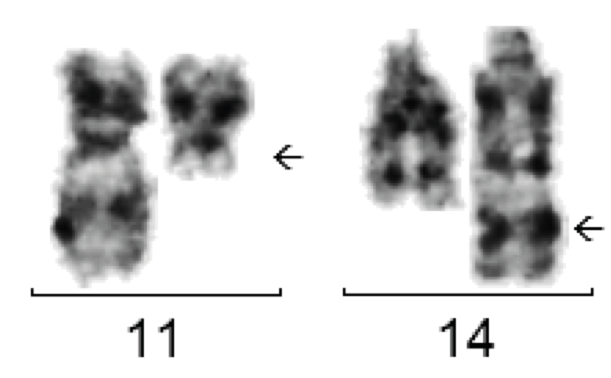
The t(11;14) translocation is typically found in mantle cell lymphoma but also in other NHLs.
Genetically, more than 90% of cases exhibit the t(11;14) translocation with CCND1-IGH fusion. This is easily detectable by cytogenetics. Molecular genetic detection of the fusion by PCR is only possible in a minority of cases, as the chromosome breakpoints are widely scattered. Nevertheless, molecular genetic testing should be performed if a t(11;14) is detectable by cytogenetics, as this may identify a molecular marker for quantitative follow-up examinations.
Burkitt lymphoma (BL)
The differential diagnosis of Burkitt lymphoma from diffuse large B-cell NHL (DLBCL) can sometimes be challenging. Morphology and genetic analysis are of great importance. Cytogenetically, translocations of the MYC gene on the long arm of chromosome 8 (8q24) to the immunoglobulin genes IGH (heavy chain locus, 14q32), IGK (kappa light chain locus, 2p12), or IGL (lambda light chain locus, 22q11) are almost always present.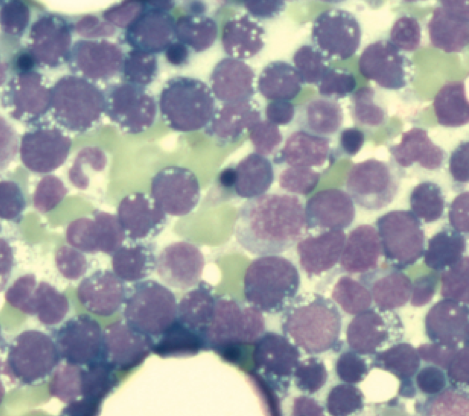
Bone marrow infiltration by Burkitt lymphoma. The blasts show numerous cytoplasmic vacuoles and strongly basophilic cytoplasm.
In approximately 75-85% of BL cases, a t(8;14)(q24;q32) translocation is present, which can be detected both cytogenetically and molecularly. In about 5% of cases, a t(2;8)(p12;q24) translocation is detected cytogenetically, and in about 10%, a t(8;22)(q24;q11) translocation. All three translocations can also occur in other NHL entities (DLBCL, rarely multiple myeloma) and therefore do not alone prove BL. Cytologically, BL blasts usually exhibit “FAB L3 morphology.”
Diffuse large B-cell lymphoma (DLBCL)
Diffuse large B-cell lymphoma is an umbrella term for a group of high-grade B-cell lymphomas with diffuse growth pattern. DLBCLs form a biologically heterogeneous group. Morphologically, the centroblastic, immunoblastic, and anaplastic variants are mainly distinguished. Flow cytometry shows B-cell antigens (CD19, CD20, CD79a) and usually surface immunoglobulin (sIg), possibly with light chain restriction. CD10 is expressed in a variable percentage of cases. Genetically, the most frequently affected loci are 3q27 (BCL6), 18q21 (BCL2), and 8q24 (MYC) and the immunoglobulin heavy chain locus (IGH).Hairy cell leukemia (HCL)
Hairy cell leukemia is a rare low-grade B-NHL. Bone marrow examination often yields only bone marrow blood aspirate, and morphologically typical hairy cells are not always found in peripheral blood.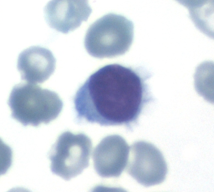
Hairy cell in peripheral blood
The diagnosis is usually made immunologically, e.g., by flow cytometry, based on typical clinical findings, as HCL is characterized by relatively specific expression of the CD103 antigen. Antigens CD19, CD20, CD22, CD11c, CD25, and FMC7 are also expressed, while CD5, CD10, and CD23 are typically absent. Genetically, the BRAF V600E mutation, which is also found in a number of solid tumors, is usually detectable in typical HCL. If HCL is suspected, molecular genetic testing for the BRAF V600E mutation should be performed in addition to flow cytometry.
Multiple myeloma (MM)
Multiple myeloma is a clinically and diagnostically diverse disease. Flow cytometry shows plasma cell antigens (e.g., CD38 and CD138).A CD19-/CD79a+/CD38+/CD138+ immunophenotype is typically present. Aberrant antigen expression (CD117, CD20, CD52, CD10) is occasionally observed. Bone marrow morphology usually allows definitive diagnosis.
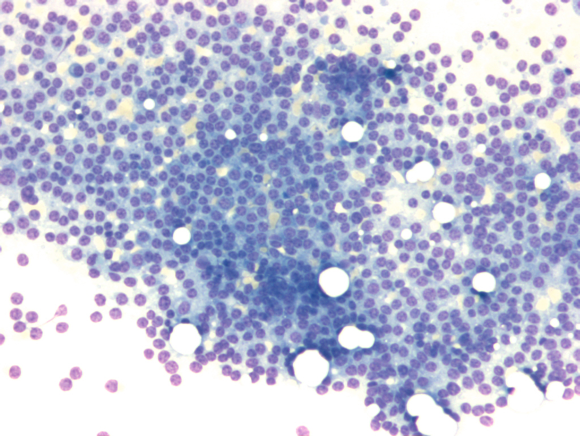
High-grade bone marrow infiltration by multiple myeloma
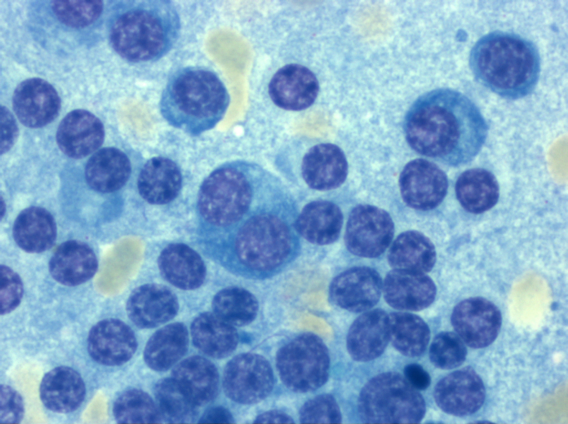
Magnified section of bone marrow infiltration
Genetic analysis of MM has long been challenging because myeloma cells divide very slowly or not at all in culture, making cytogenetic analysis often impossible.
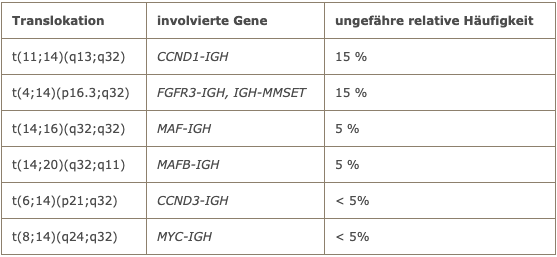
At Labor Berlin, a special culture medium is used that significantly improves the rate of evaluable metaphases in cultured myeloma cells. In slightly more than half of cases, chromosome translocations involving the immunoglobulin heavy chain locus (IGH) are present. The most common chromosome translocations in multiple myeloma are listed in the following table.
Chromosome translocations in multiple myeloma
Prolymphocytic leukemia (PLL)
Prolymphocytic leukemia can exhibit a B-cell or T-cell immunophenotype. Morphologically, B-PLL shows mostly immature medium-sized prolymphocytes with prominent nucleoli. Immunophenotypically, B-cell antigens are expressed (CD19/CD22/CD79a+b/FMC7), and light chain restriction is detectable. Unlike CLL, CD5 and CD23 are only detectable in a minority of cases. Genetically, complex karyotypes are often seen. T-PLL has a CD2+/CD3+/CD7+/CD52+ phenotype. Most cases show CD4+/CD8- expression, but CD4 and CD8 coexpression is occasionally seen. Cytogenetically, aberrations of T-cell receptor genes are typical.Sézary syndrome
Sézary syndrome, i.e., leukemic cutaneous T-cell lymphoma, is diagnosed when morphologically typical Sézary cells are detectable in peripheral blood and flow cytometry shows a neoplastic T-cell population. According to the 2008 WHO classification, the diagnosis requires at least 1,000/µl Sézary cells and/or a CD4+/CD8+ ratio of at least 10:1 and/or loss of multiple T-cell antigens (e.g., CD7). Even with circulating Sézary cells in blood, bone marrow infiltration by the underlying T-cell lymphoma is usually not detectable. Sézary cells typically show a CD2+/CD3+/CD5+/CD7-/CD4+ immunophenotype. CD8+ cases are rare. Morphologically, Sézary cells show markedly variable, sometimes bizarre nuclear shapes unlike normal lymphocytes. Genetically, Sézary syndrome appears heterogeneous and is still poorly characterized. -
In PNH, an acquired mutation in the PIGA gene on Xp22.1 leads to a disruption of glycoprotein anchoring in the cell membrane (the so-called GPI anchor is defective). Affected proteins include CD55 and CD59, which have complement-inhibiting functions. Due to the absence of CD55 and CD59, PNH patients experience chronic or episodic complement activation. Leading symptoms of PNH are Coombs-negative hemolysis, thrombotic tendency (often with atypical localization), peripheral cytopenia of one or more lineages, and possibly renal impairment (due to microthrombi). The symptoms of PNH patients depend crucially on the size of the PNH clone. PNH often occurs in the context of other hematologic diseases – frequently with aplastic anemia and less frequently or less pronouncedly with low-risk myelodysplastic syndromes.
Flow cytometry
The diagnostic “gold standard” for diagnosing PNH is flow cytometric examination of peripheral blood for expression of GPI-anchored proteins. The DGHO guidelines (as of March 2012) require examination of at least two different markers (GPI-anchored proteins or GPI anchors themselves). At least granulocytes and erythrocytes should be examined. The proportion of the PNH clone can best be estimated based on the proportion of GPI-deficient granulocytes, as this is not influenced by hemolysis or transfusions.
Important considerations for sample logistics: the submitted sample should be analyzed as fresh as possible, i.e., within 48 hours. Samples taken on Fridays or before holidays should therefore be avoided. If transport time exceeds 24 hours, the sample should be refrigerated (+1 to +10°C).
Indications for diagnostics
- Coombs-negative hemolysis
- Thromboses if at least one of the following criteria is met:
- Atypical localization (sinus vein thrombosis, Budd-Chiari syndrome, etc.)
- Thromboses in association with unexplained cytopenia
- Thromboses of unclear cause, arterial thromboses
- Suspicion of aplastic anemia
- Suspicion of myelodysplastic syndrome
- Recurrent pain states with simultaneous signs of hemolysis


Contact
- Labor Berlin – Charité Vivantes GmbH
Sylter Straße 2
13353 BerlinTel.: +49 (30) 40 50 26-800
Fax: +49 (30) 40 50 26-615 - Charité Campus Mitte (CCM)
Tel.: +49 (30) 450-513023
Fax: +49 (30) 450-513933 - Charité Campus Virchow-Klinikum (CVK)
Morphology
Tel.: +49 (30) 40 50 26-498
Fax: +49 (30) 40 50 26-615Immunophenotyping
Tel.: +49 (30) 40 50 26-497
Fax: +49 (30) 40 50 26-615Tumor Genetics
Tel.: +49 (30) 40 50 26-493
Fax: +49 (30) 40 50 26-618Tumor Cytogenetics
Tel.: +49 (30) 450-569145
Fax: +49 (30) 450-569996
Pre-analytical Instructions and Downloads
-
EDTA is the anticoagulant of choice for all cytological examinations. In exceptional cases, citrate may be used. Heparin, however, is unfavorable and should not be used.
Suitable sample types include:
- Bone marrow aspirate (5 ml)
- Peripheral blood (routine EDTA blood tube)
- Effusion material (ascites, pleural effusion, pericardial effusion, etc.)
- Cerebrospinal fluid (CSF)
Please ensure that the transport time does not exceed 24 hours and that the sample arrives at the laboratory no later than 2:00 PM on Fridays before weekends. Samples should generally be sent using an express service (overnight delivery) to avoid prolonged transport times.
-
Flow Cytometry
EDTA is the anticoagulant of choice for all flow cytometric analyses. Heparin is less suitable and should only be used if no other option is available (e.g., accidental collection in an incorrect syringe during bone marrow aspiration).
Suitable sample types include:
- Bone marrow aspirate (5 – 10 ml)
- Peripheral blood (5 – 10 ml)
- Effusion material (ascites, pleural effusion, pericardial effusion, etc.), preferably 10 ml
- Cerebrospinal fluid (CSF)
PNH diagnostics are performed using peripheral blood.
Samples must be sent using an express service (overnight delivery) to minimize transport time. Upon receipt at the laboratory, samples should not be older than 24 hours. Before weekends, ensure that the sample arrives at the laboratory no later than 12:00 PM on Friday.
-
EDTA is the anticoagulant of choice for all molecular genetic analyses. In exceptional cases, citrate may be used. Heparin is unfavorable and should only be used if no other option is available (e.g., accidental collection in an incorrect syringe during bone marrow aspiration).
Suitable sample types include:
- Bone marrow aspirate (5 ml)
- Peripheral blood (10 ml)
- Effusion material (ascites, pleural effusion)
- Cerebrospinal fluid (CSF)
- Lymph node or tumor biopsy (unfixed!)
For tumor material or lymph node samples, prior telephone consultation is requested. Molecular genetic diagnostics from CSF are typically successful only if the sample is highly cellular. Prior telephone consultation is also recommended in such cases.
Urgent samples (e.g., acute leukemia) should be sent via express mail. Whenever possible, avoid sending samples on Fridays.
-
Sodium heparin bone marrow 10 ml / Peripheral blood 20 ml
Request Forms and Downloads
Services for private patients, self-paying patients, or elective laboratory services are billed directly by Labor Berlin to the relevant payer, unless otherwise agreed with the requesting physician. To facilitate this, the requesting physician will transmit the necessary patient data to Labor Berlin and ensure that patients are informed in the legally required manner about the potential forwarding of laboratory orders to Labor Berlin, including the associated organizational measures—such as billing through a private medical billing service—and obtain their consent. The legal requirements regarding free choice of physician will be fully observed. Please note that the initiation of external elective laboratory services must be carried out by the requesting physician on a case-by-case basis, in accordance with the provisions of the Hospital Remuneration Act (KHEntgG), and must be explicitly authorized by the respective elective physicians.
- Request formHematology Cytology CBF – Labor Berlin
- Request formHematology Cytology & Flow Cytometry – ASV (CVK Site)
- Request formHematology Cytogenetics & Molecular Genetics – ASV
- Informed consentLiquid Biopsy
- Request formHematology Cytology (CVK Site)
- Request formHematology (CCM Site)
- Informed consentTumor Cytogenetics and Tumor Genetics
- Request formHematology Combined Request Form Cytology & Molecular Genetics (CVK Site)
- Request formDPD Diagnostics
- Informed consentSample Storage and Genetic Testing