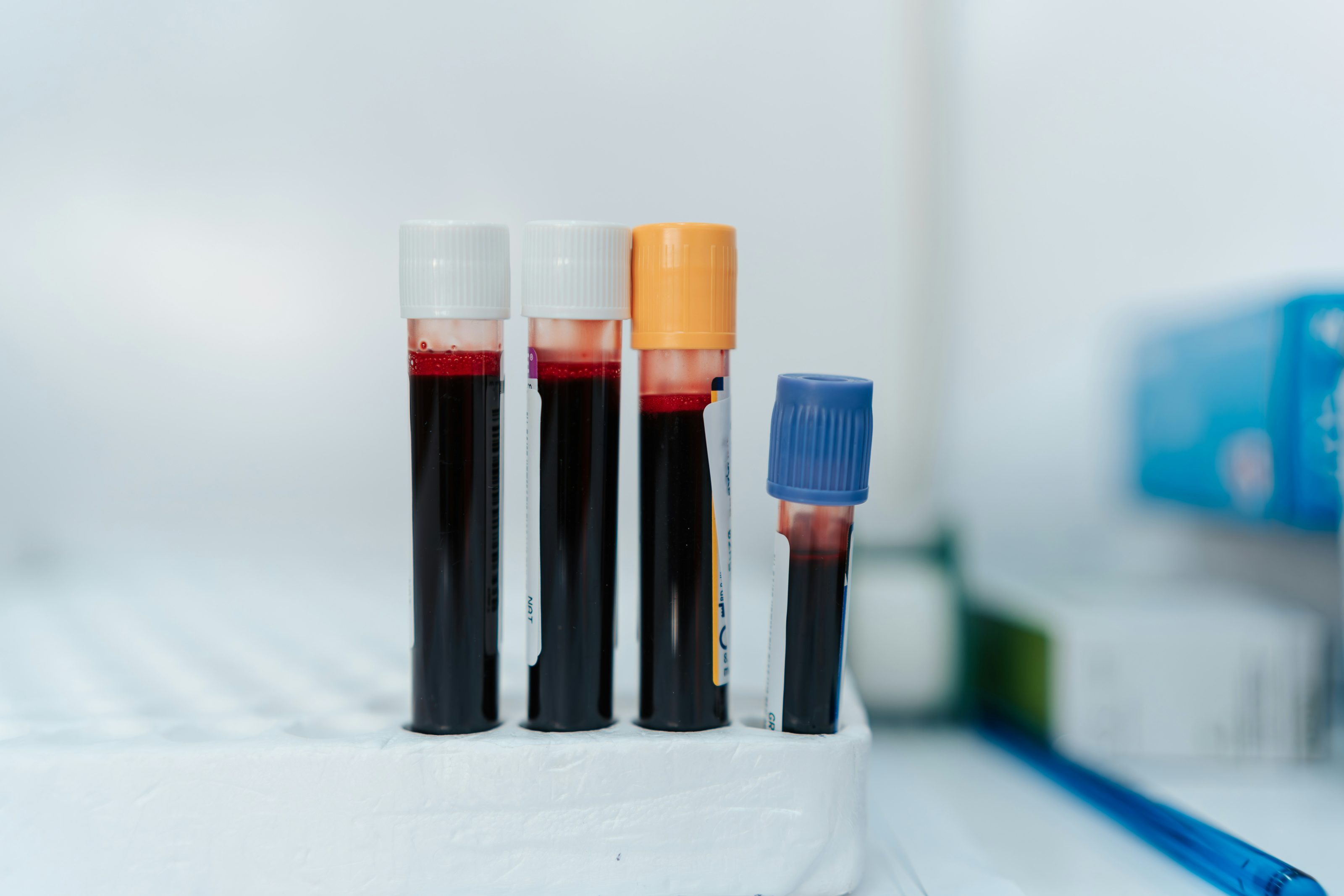
To investigate a possible histamine intolerance, the activity of diamine oxidase (DAO) can be measured in serum. Reduced DAO activity may indicate impaired histamine degradation. The result must be interpreted in conjunction with clinical symptoms and additional diagnostic findings.

Allergy diagnostics
The reagents of the ImmunoCAP test system (UNICAP-250) are used in the laboratories for the quantitative determination of specific IgE and IgG antibodies from serum.
Labor Berlin provides in-vitro test methods for all IgE- and some IgG-mediated allergies, such as allergic rhinitis, allergic asthma, or atopic eczema, as well as food allergies. The testing spectrum includes allergens such as pollen, house dust mites, animal dander, mold, food components, insect venoms, contact allergens, and selected medications. Additionally, further allergens can be individually requested if clinically indicated.
In complex diagnostic cases, direct consultation is available.
Diagnostics in Focus
Laboratory Diagnostics for Food Intolerances
Labor Berlin offers a range of laboratory tests to investigate selected food intolerances. The diagnostics help to systematically identify different causes and distinguish non-allergic intolerances from immune-mediated conditions and classical food allergies.
Histamine Intolerance
Genetic Testing for Lactose Intolerance
Molecular genetic analysis of the LCT gene can detect genetic variants associated with lactase activity or lactase persistence. This supports the investigation of hereditary lactose intolerance. The LCT gene analysis is also listed in Labor Berlin’s public service directory.
Serological Celiac Disease Diagnostics
Laboratory diagnostics for celiac disease involve testing for antibodies against tissue transglutaminase and endomysial antibodies. Total IgA is also measured to identify IgA deficiency and ensure reliable interpretation of antibody results. Labor Berlin performs these tests as part of serological celiac disease diagnostics using serum samples.
View the Diagnostic Compass
Detailed information on the different types of food intolerances and available diagnostic options can be found in our Diagnostic Compass.


Request Forms
Services for private patients, self-paying patients, or physician-chosen laboratory services are billed directly by Labor Berlin to the relevant payer, unless otherwise agreed with the requesting physician. To facilitate this, the requesting physician will forward the patient’s necessary data to Labor Berlin and ensure that patients are informed in the legally required manner about the potential transfer of laboratory orders to Labor Berlin, including the associated organizational measures—such as billing through a private medical billing service—and that patients consent to this process. Legal requirements regarding the freedom of choice in selecting a physician will be fully respected. Please note that the initiation of external physician-chosen laboratory services must be carried out by the requesting physician on a case-by-case basis, in accordance with the provisions of the Hospital Remuneration Act (KHEntgG), and must be explicitly authorized by the respective chosen physicians.